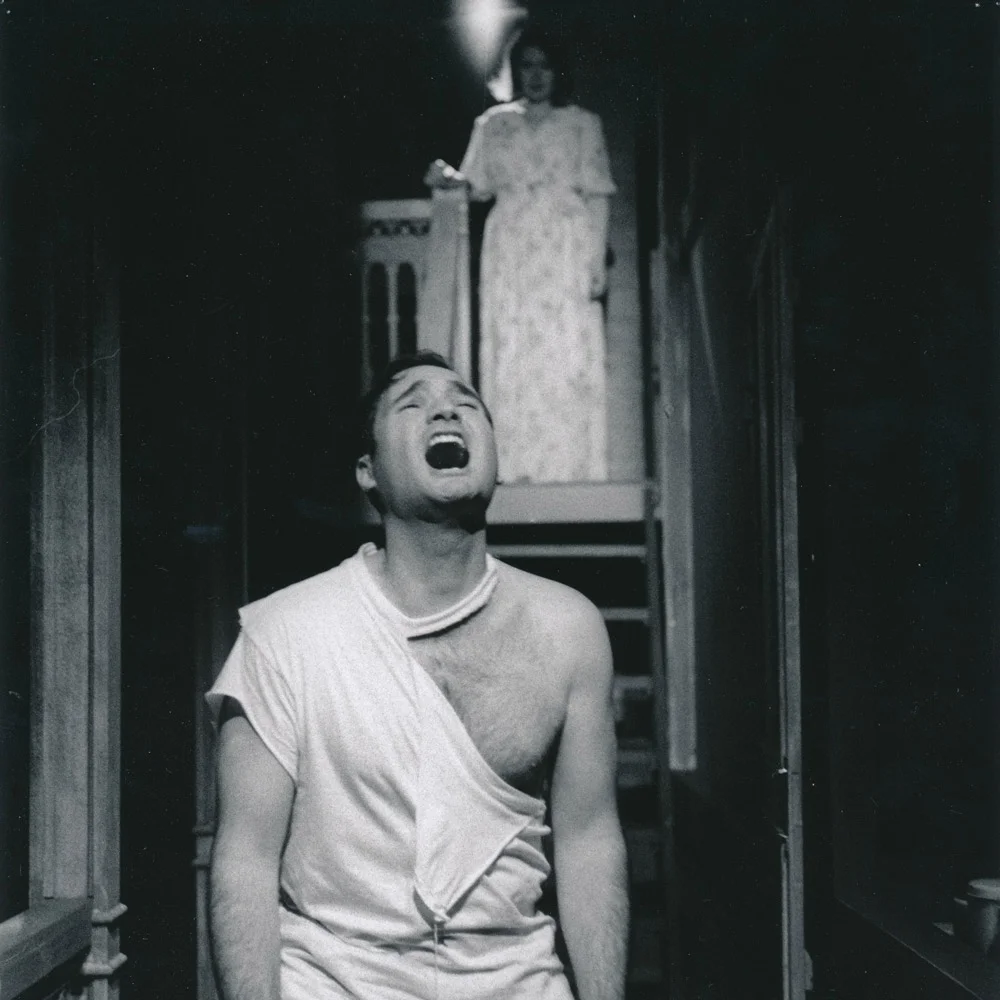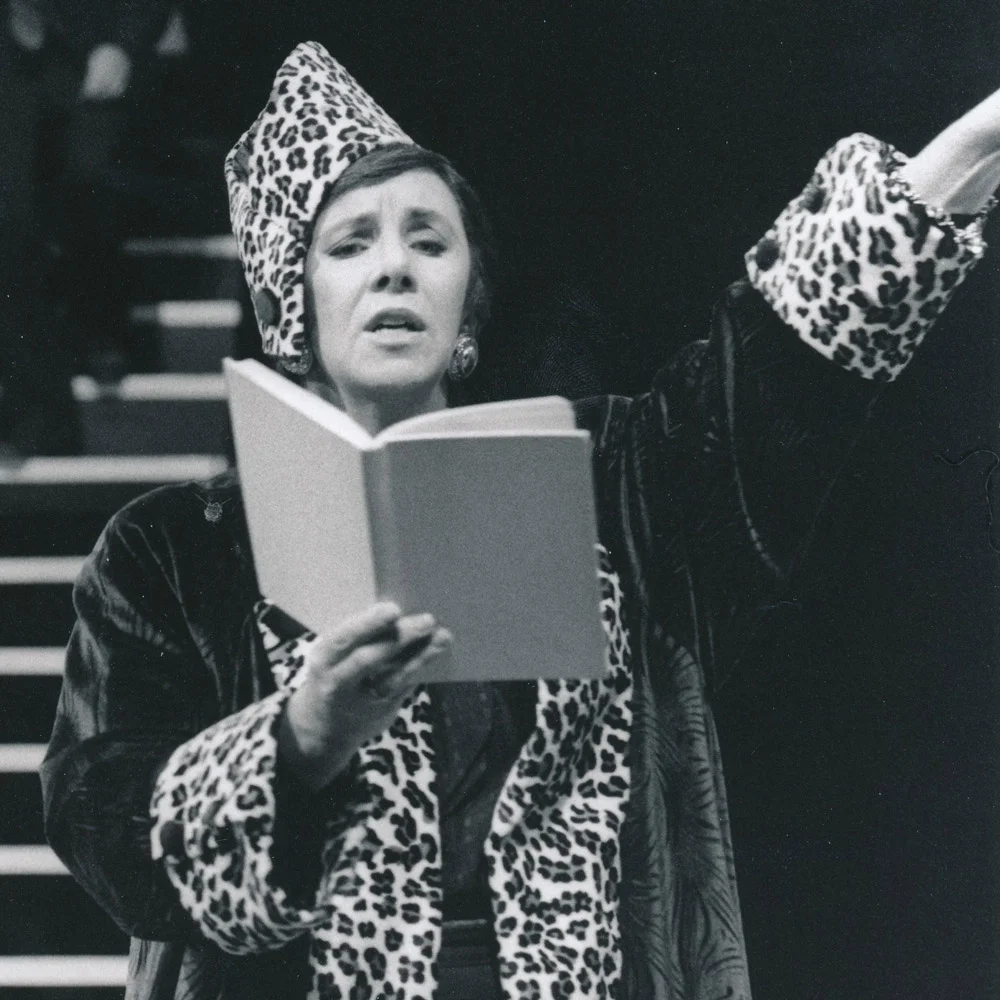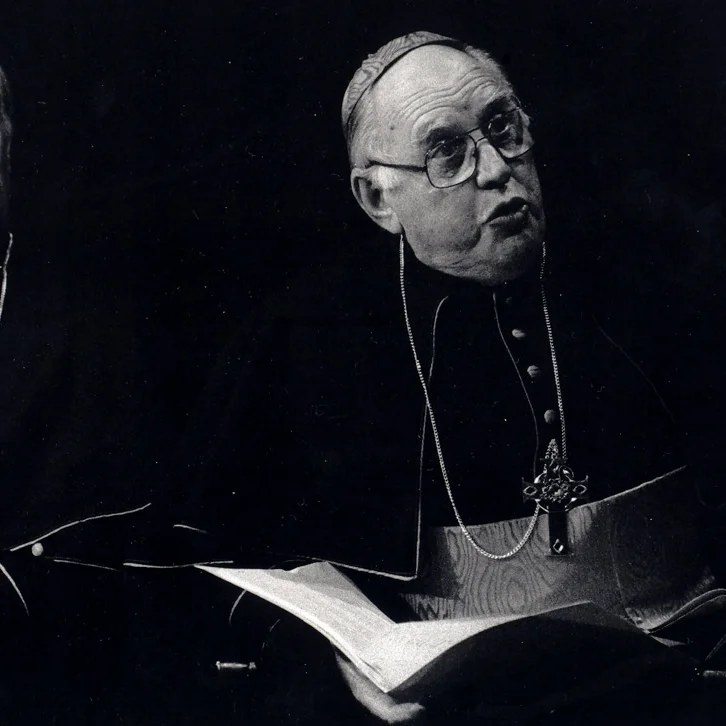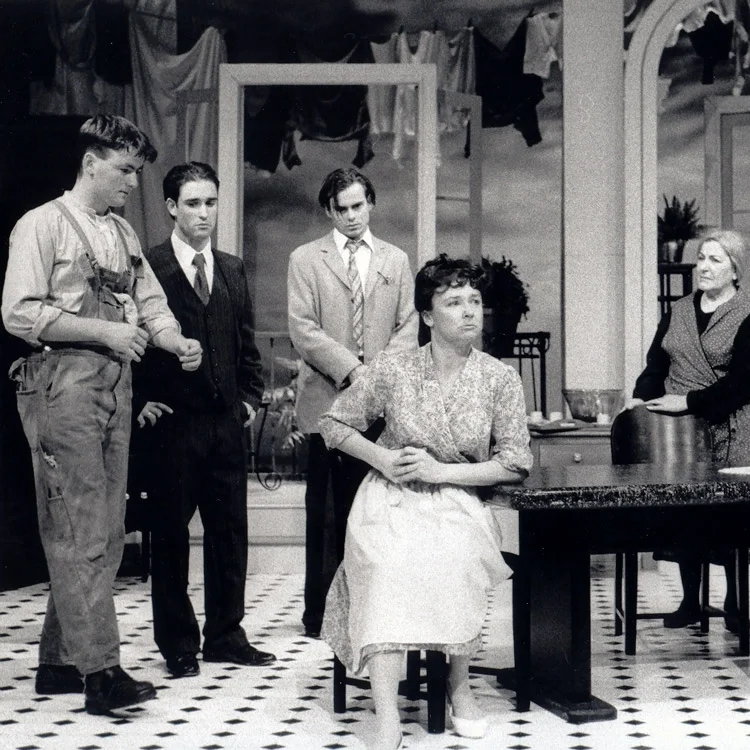
PRODUCTION HISTORY
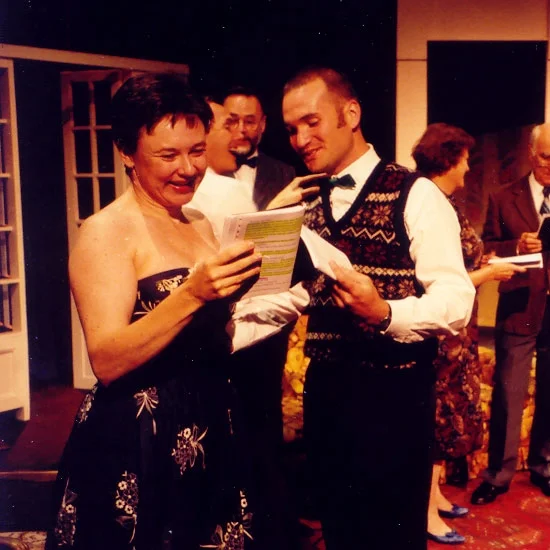
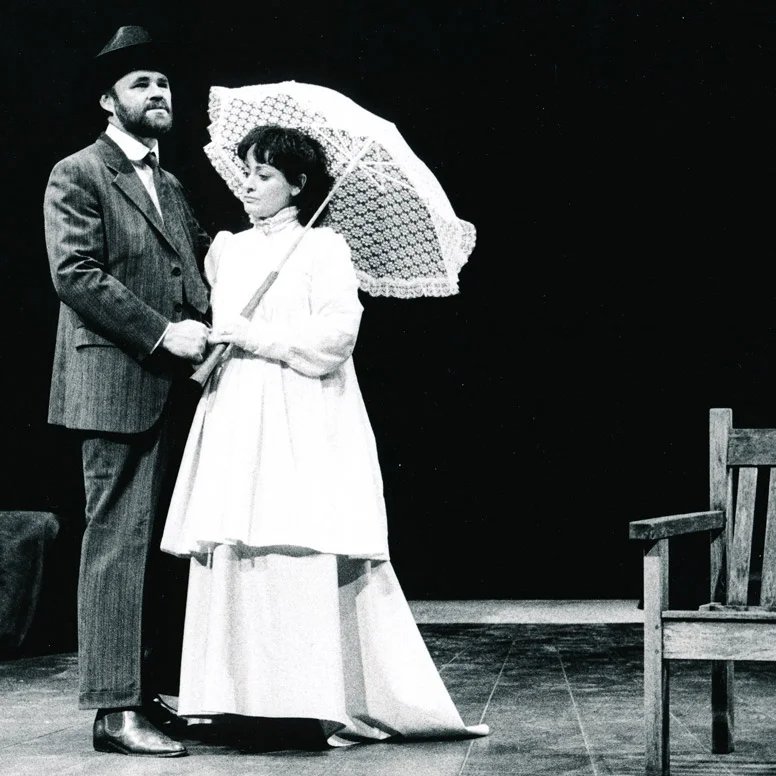
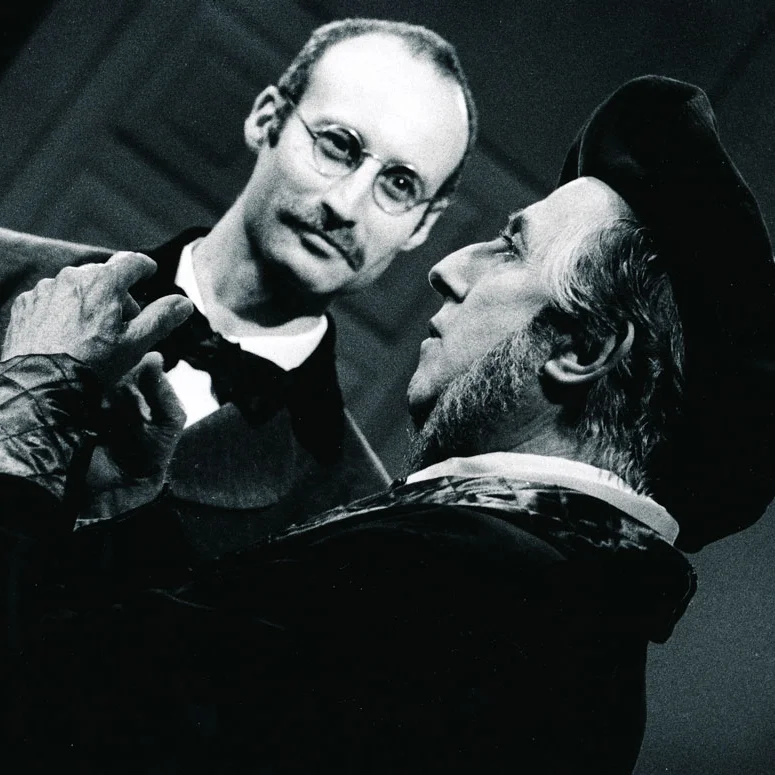
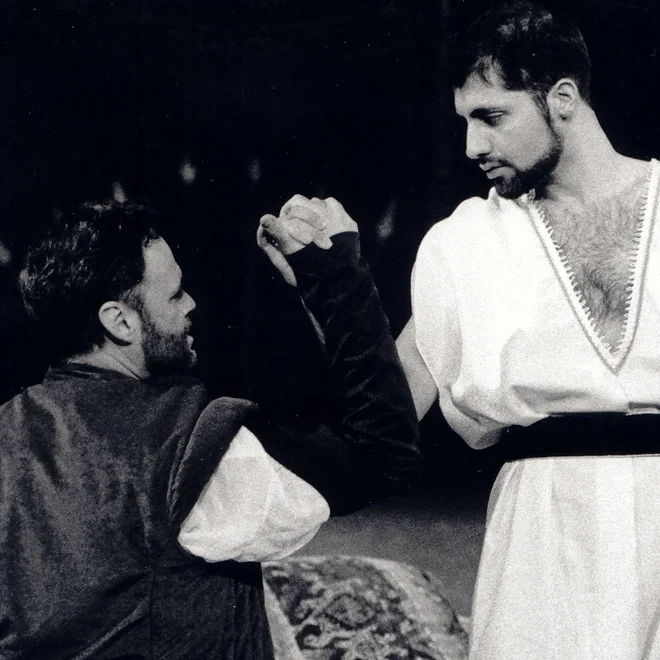
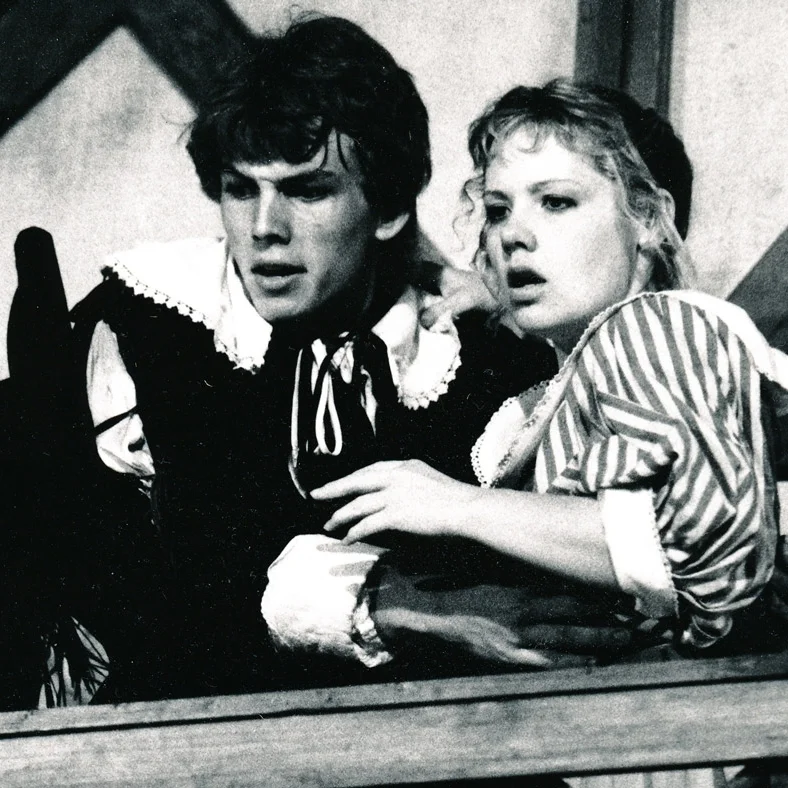
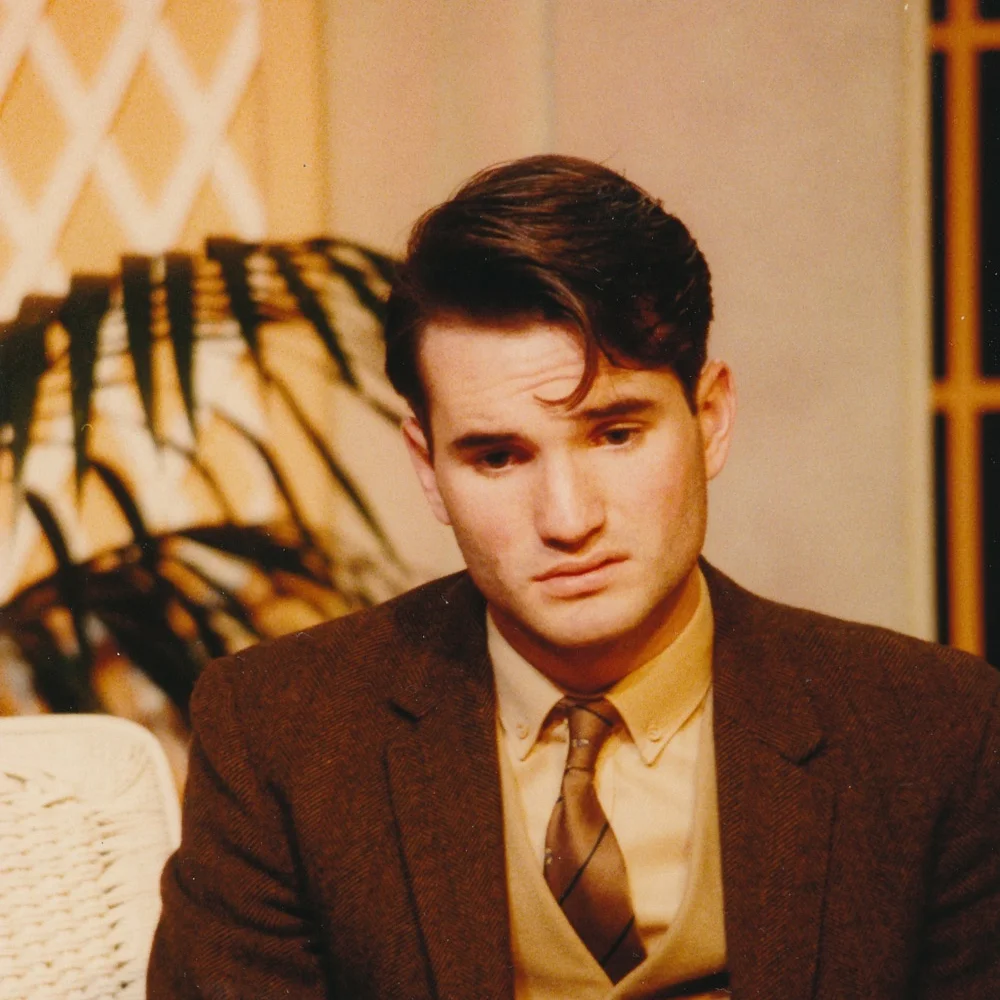
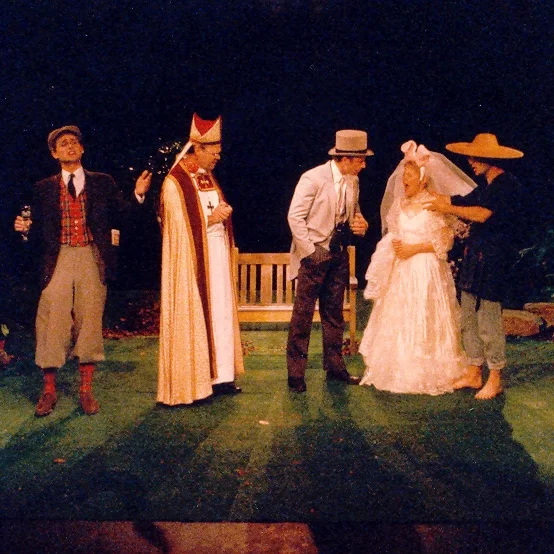
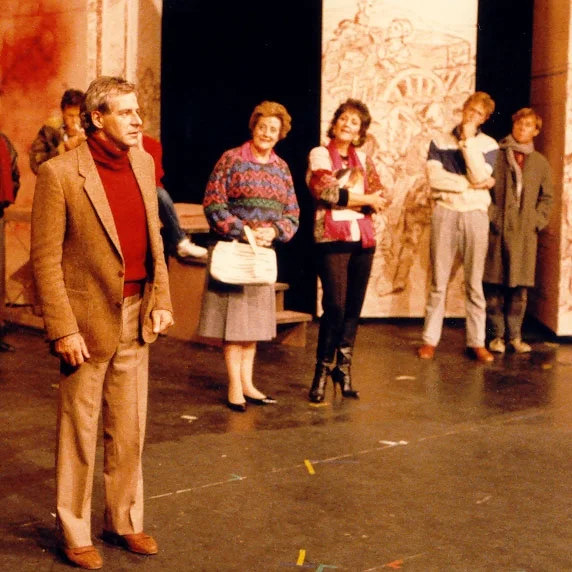
Independent Theatre was founded in 1983. Its charter was to present neglected classics and new plays – and provide Adelaide audiences with high quality productions of plays that they would not otherwise have an opportunity of seeing.
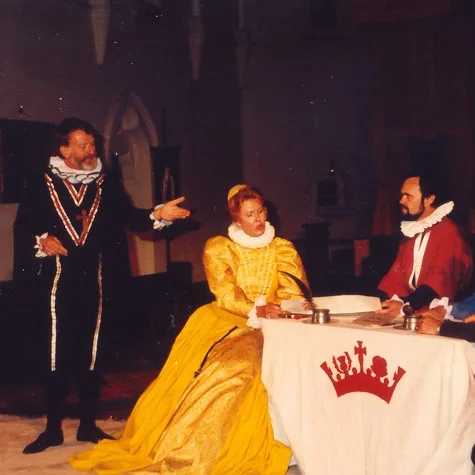
The company presented its first production – Robert Bolt's Vivat! Vivat, Regina! – in St John's Church, Halifax Street, Adelaide, at the 1984 Adelaide Festival Fringe.
Since then, over 35 years, it has presented nearly 120 productions, including 19 South Australian Premieres, 36 Australian Premieres and 25 World Premieres. The new plays include works by several international playwrights whom the company has brought to Adelaide to work on their plays. Many of the company's Australian and World premieres are adaptations of classic novels, 20 of them of them by Artistic Director, Rob Croser.
The company was the first non-professional company ever invited to perform in The Space Theatre (in 1994), and, also in The Playhouse (in 1998). Over those years, it has performed 12 plays in The Space, and 4 in The Playhouse.
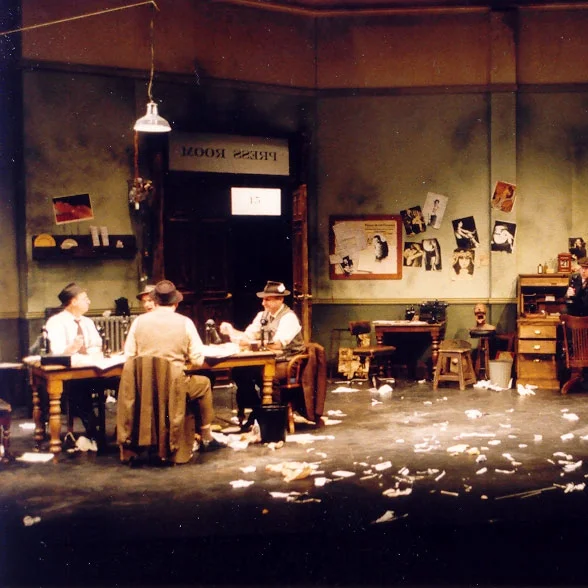
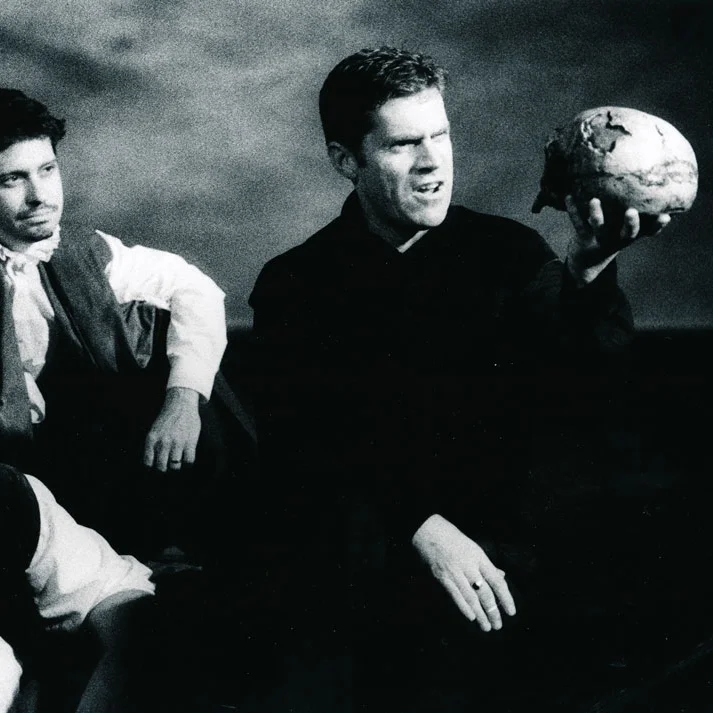
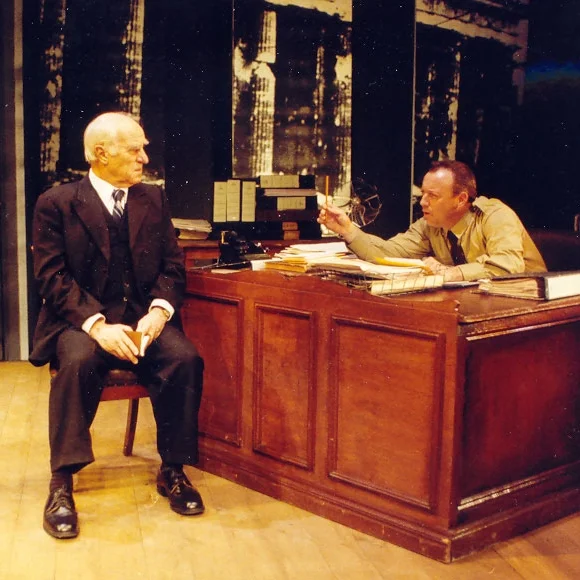
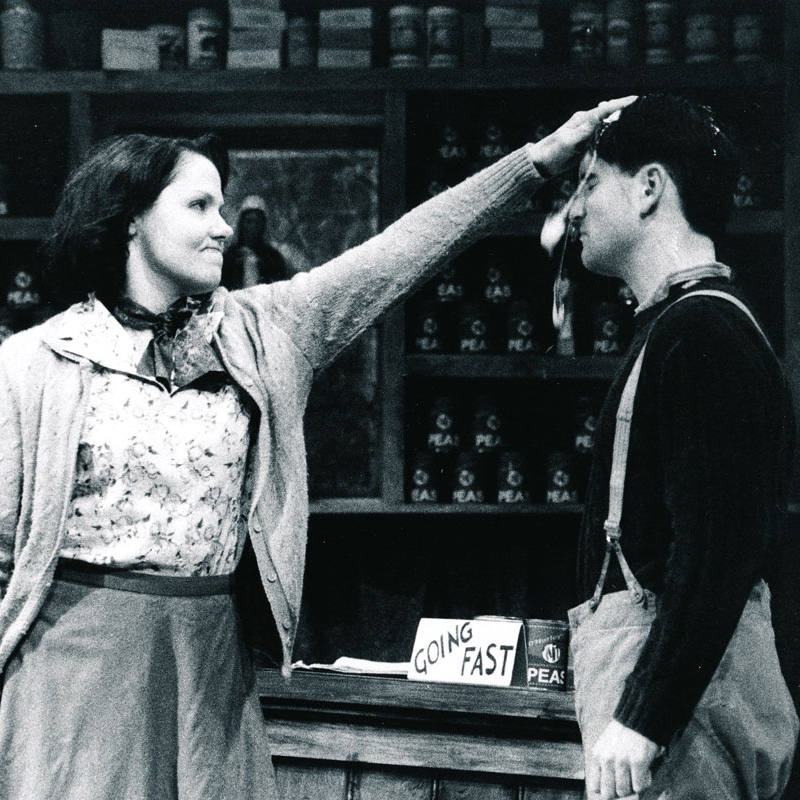
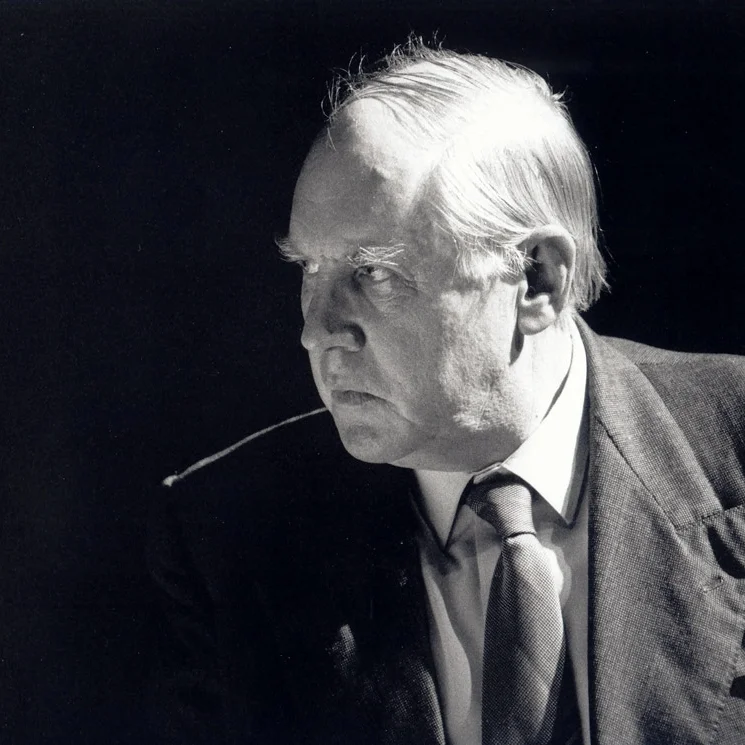
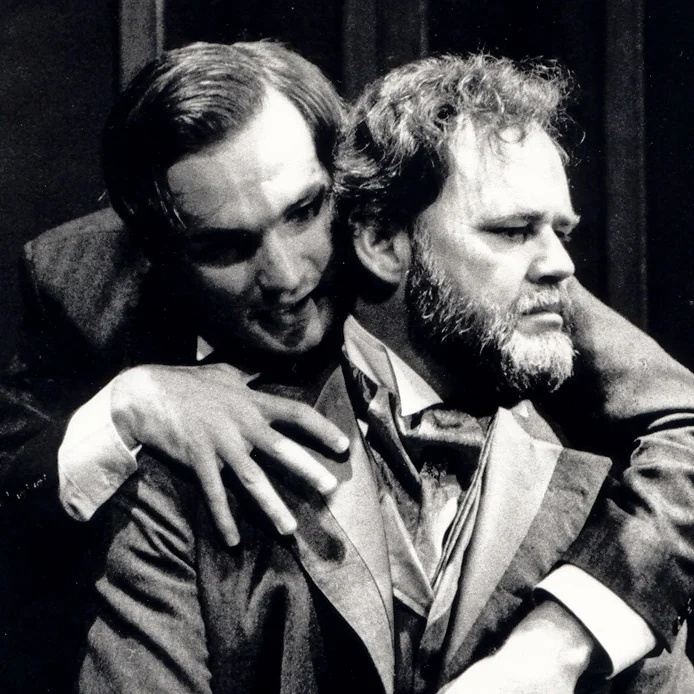
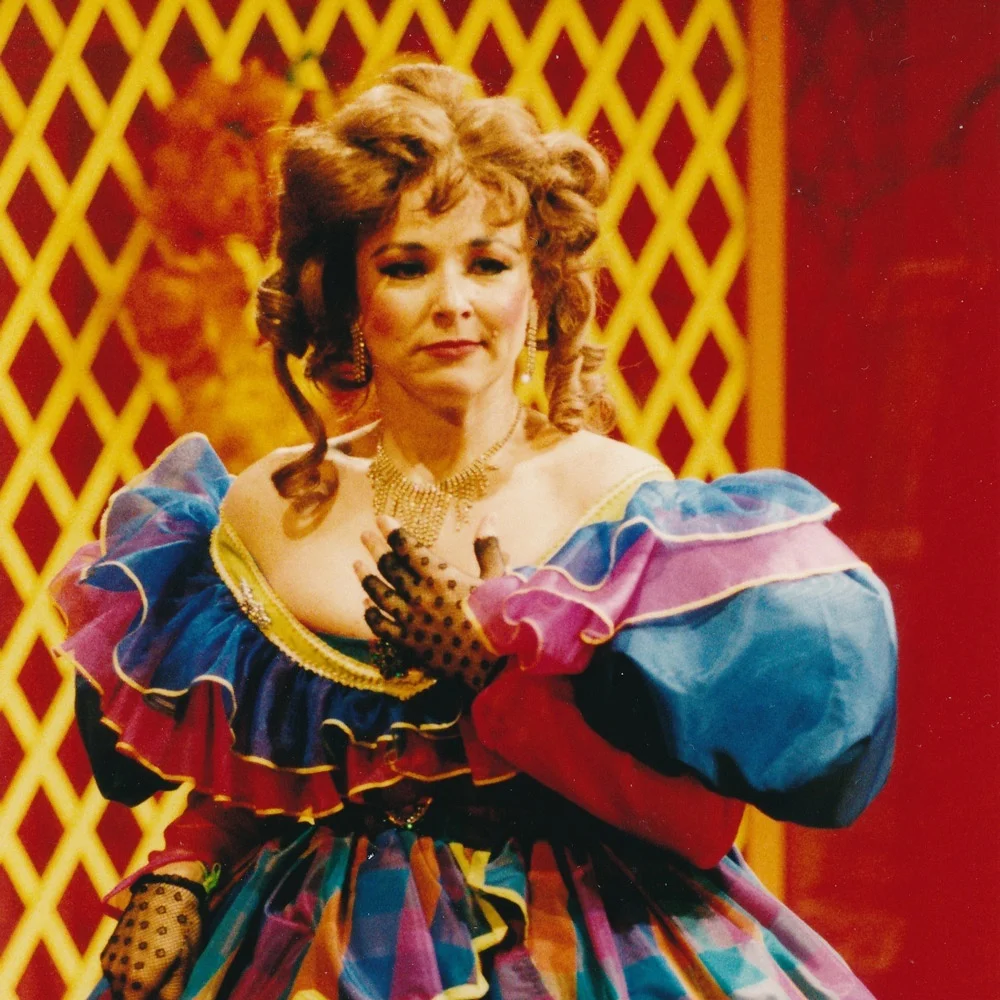
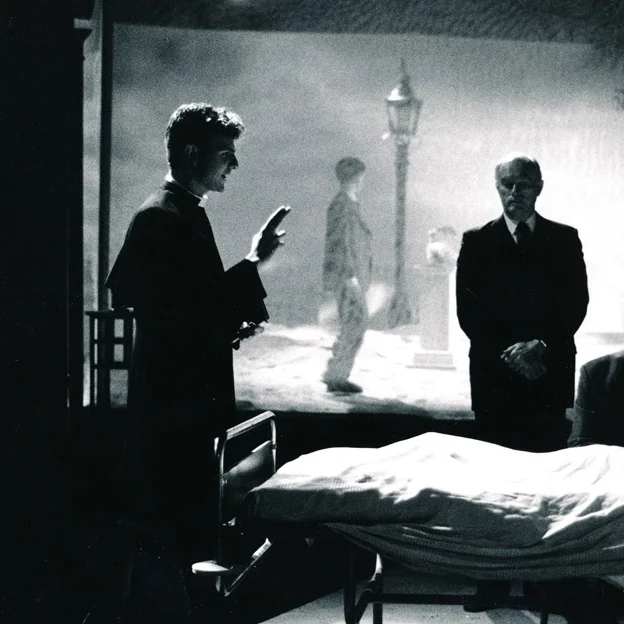
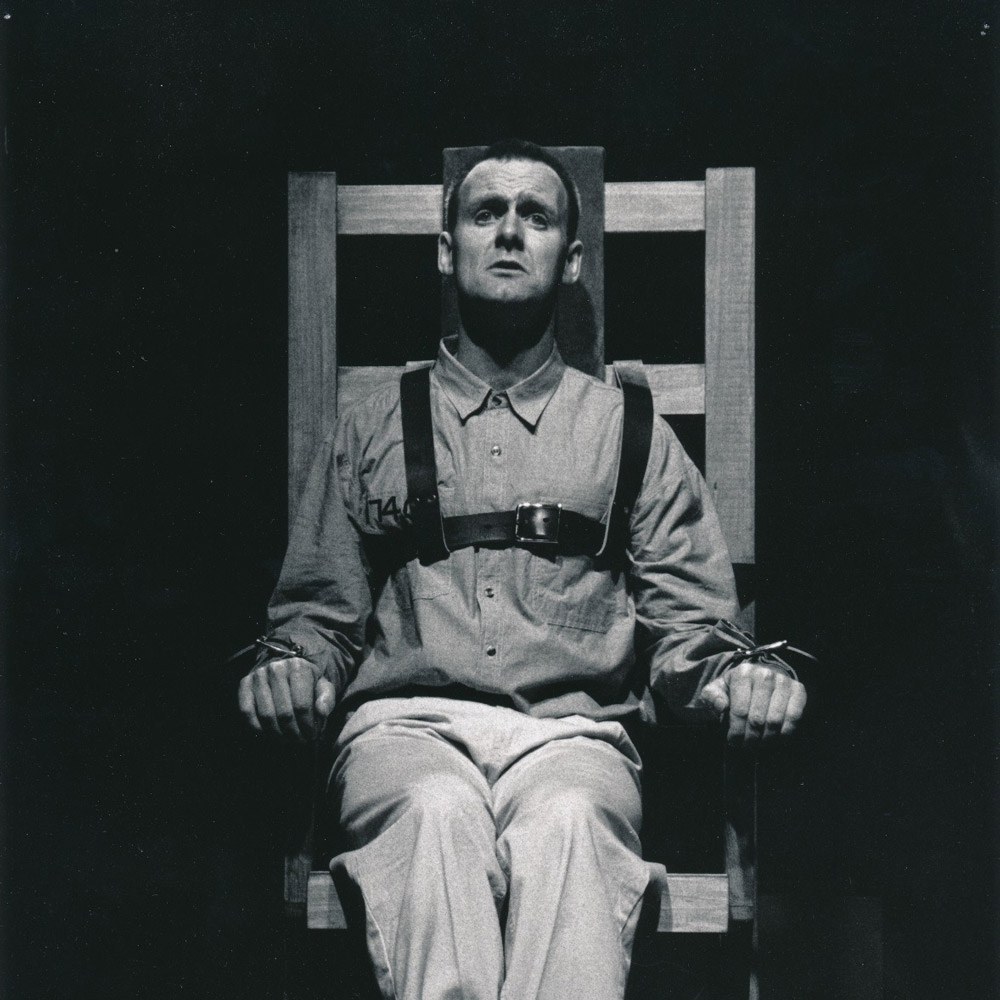
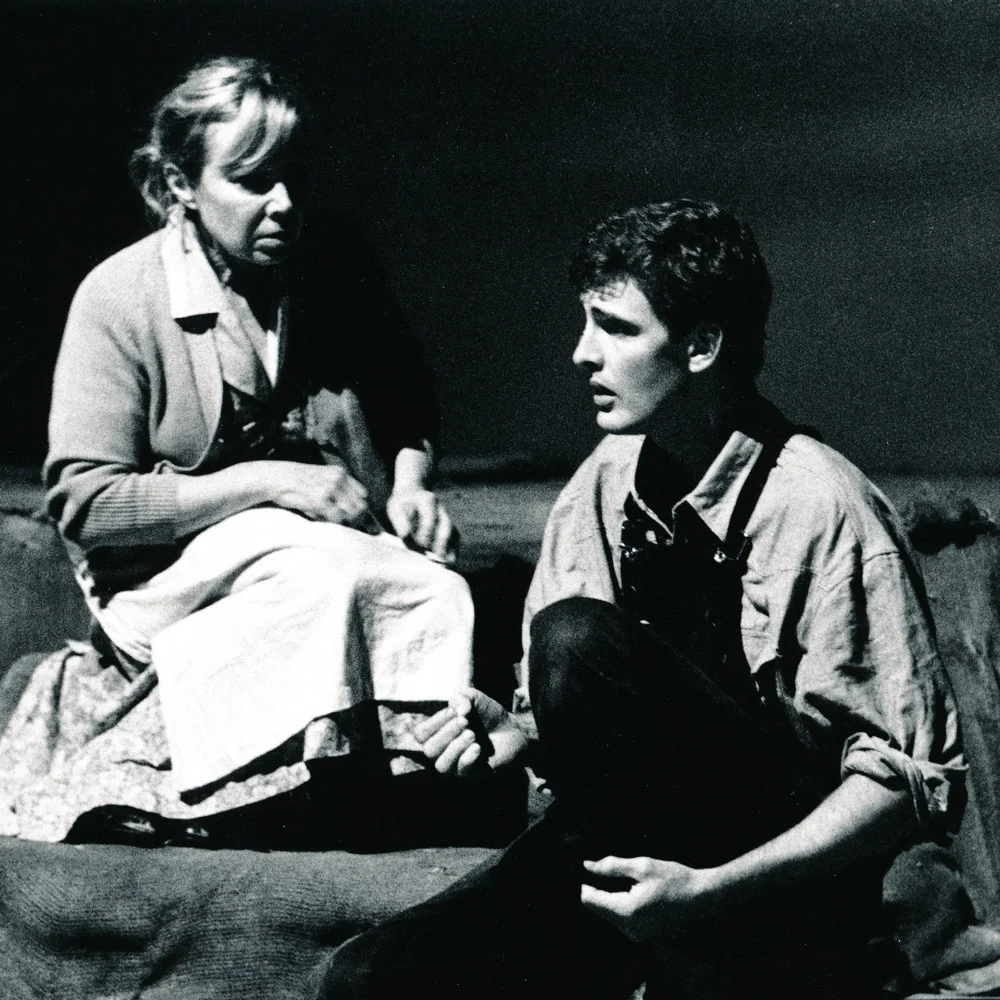
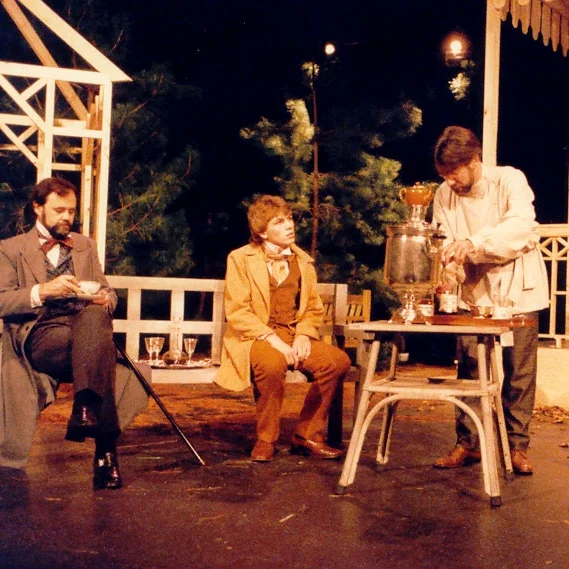
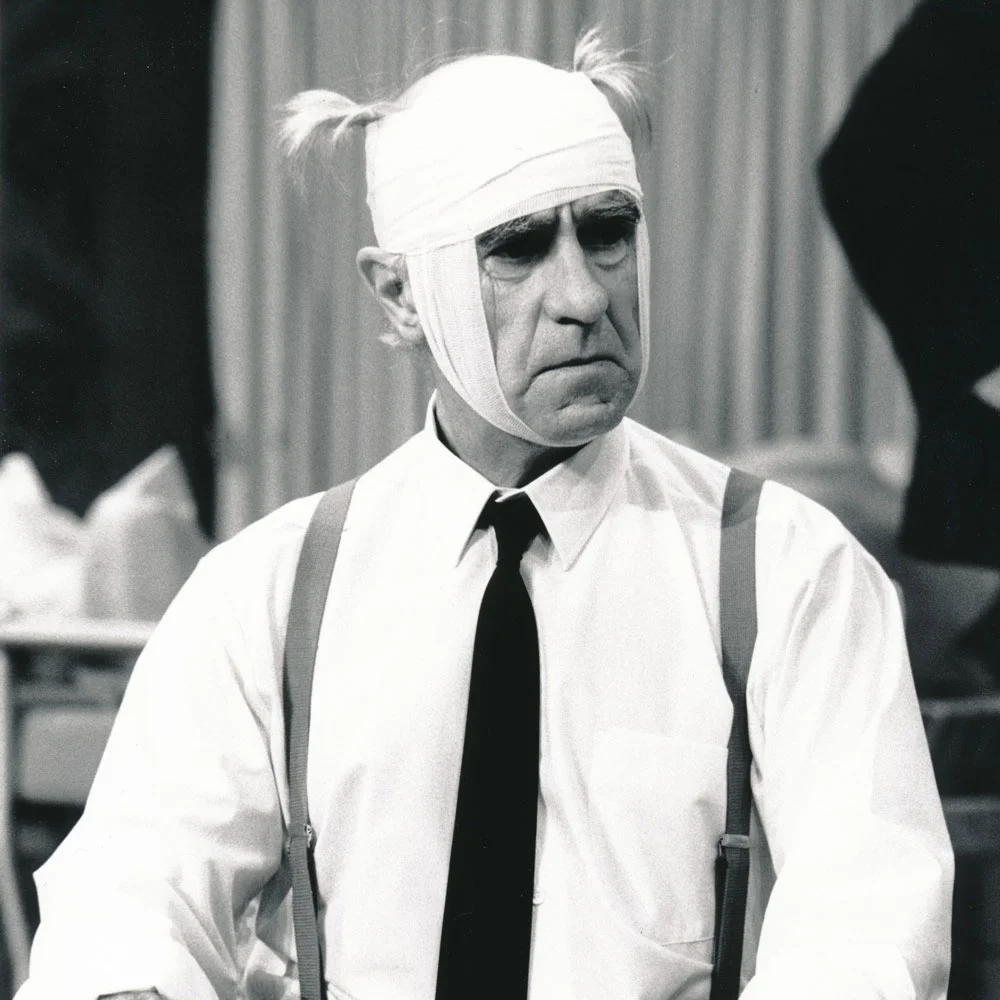
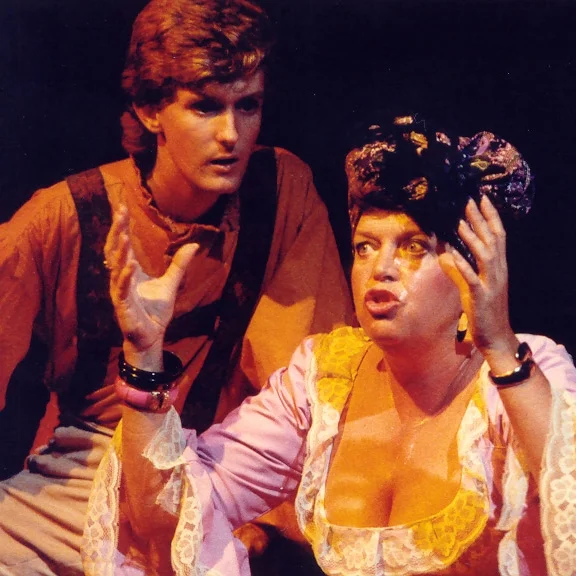
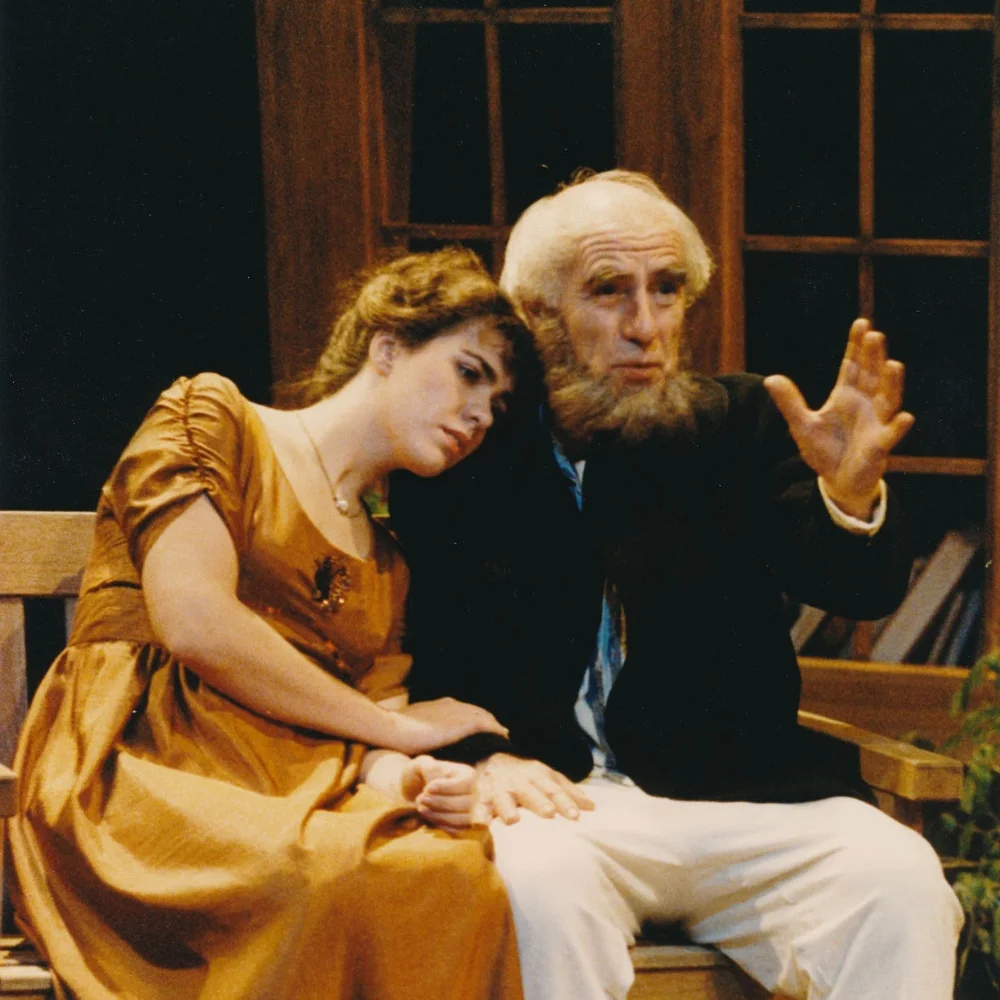
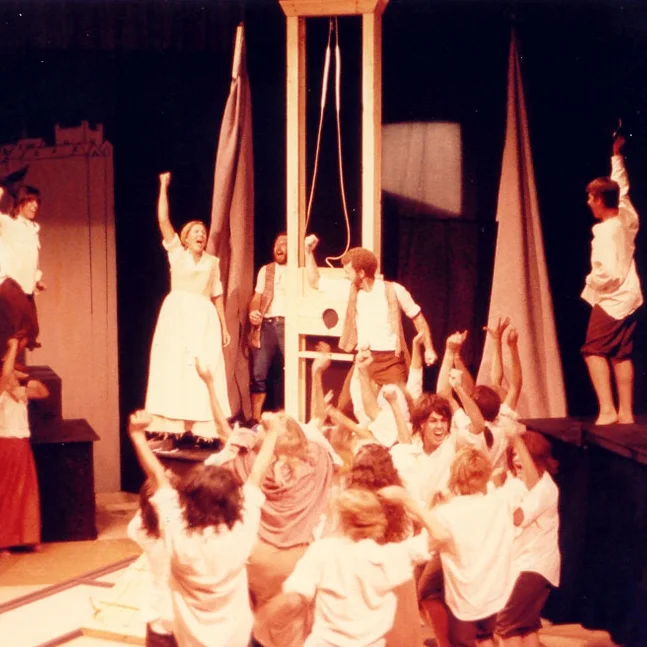
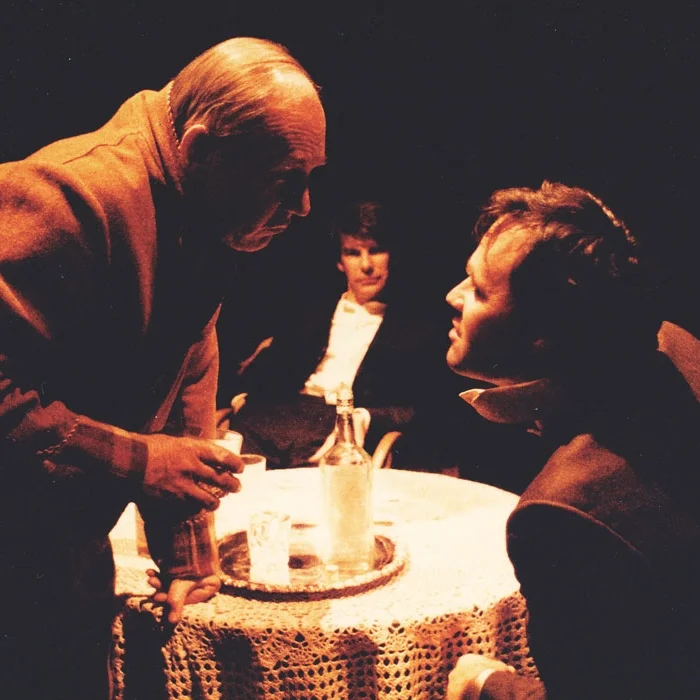
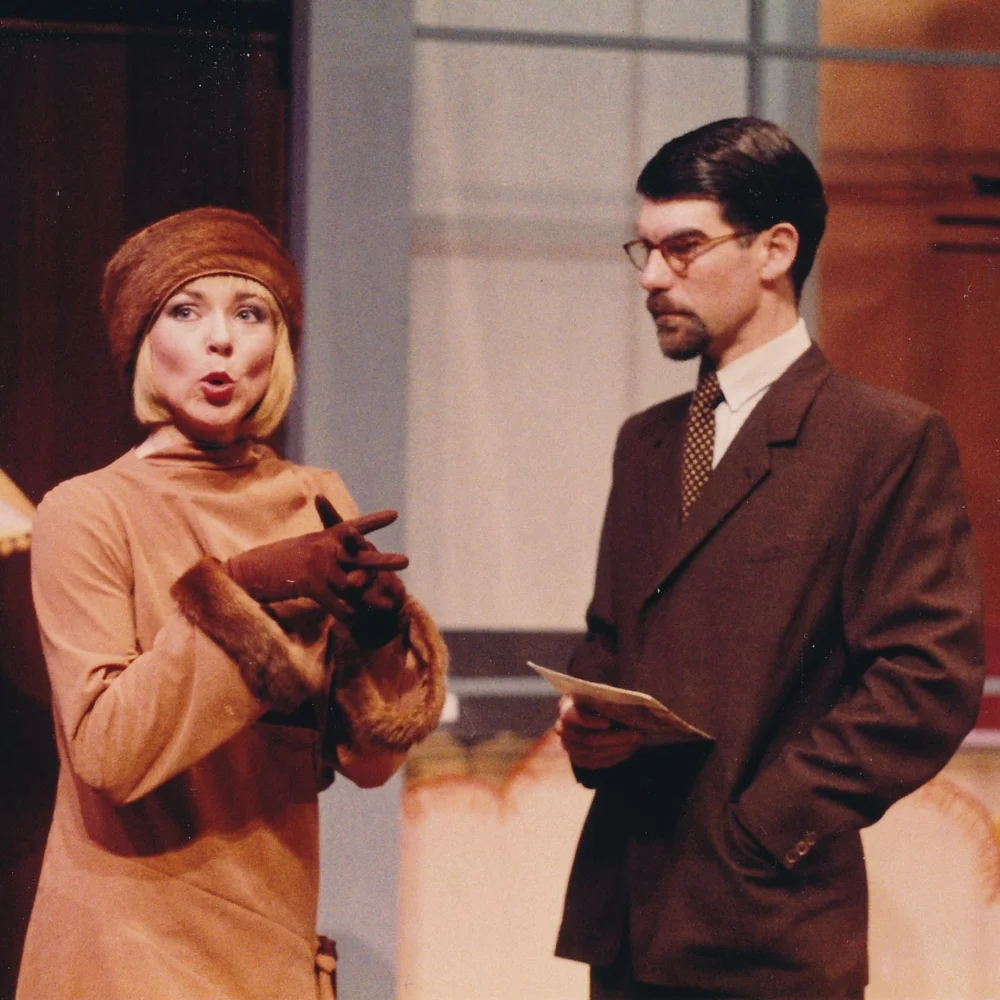
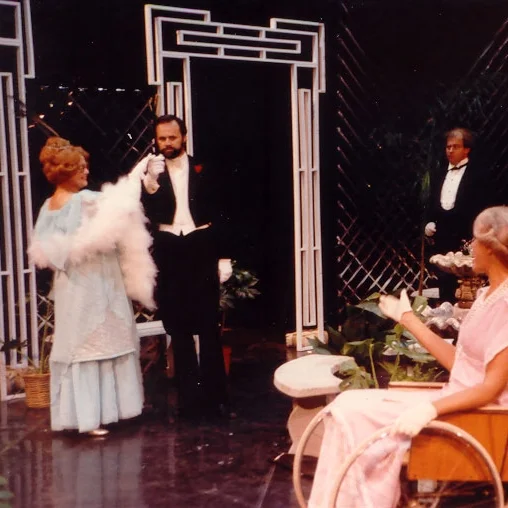
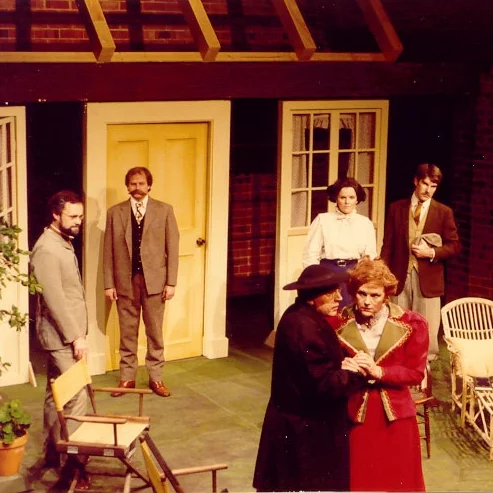
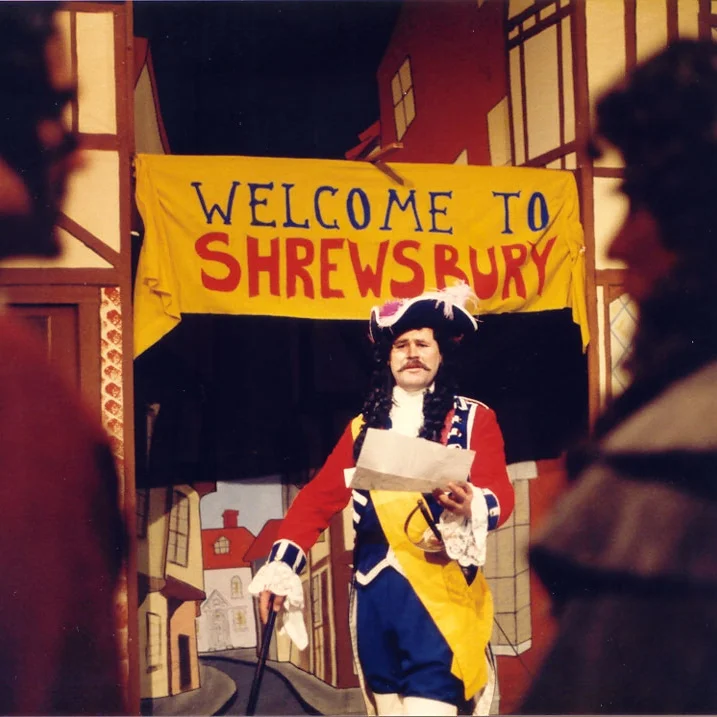
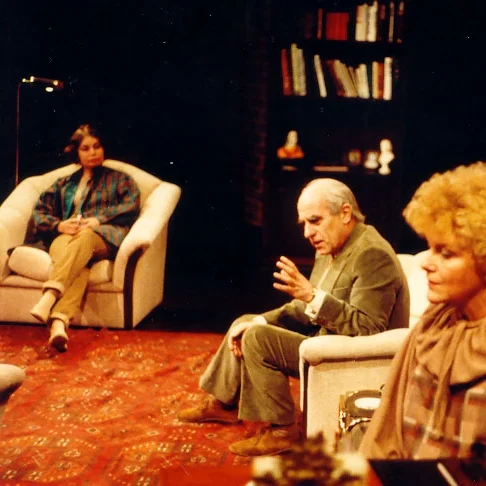
The year-by-year album of plays is testament to the company's output, repertoire and production values.
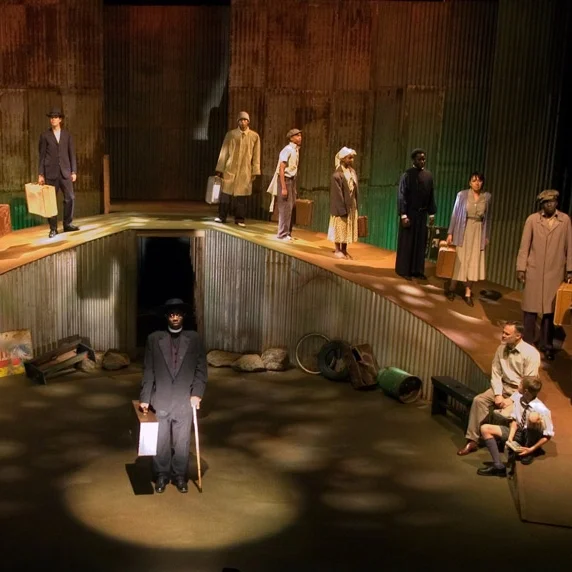
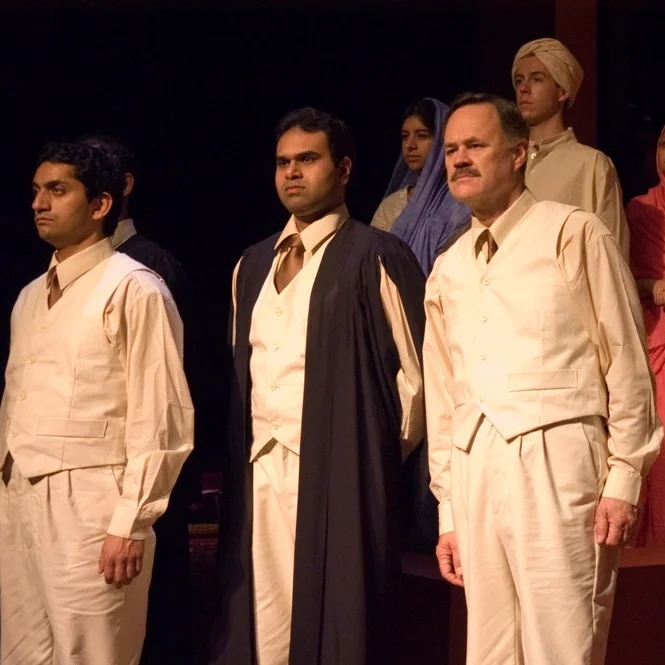
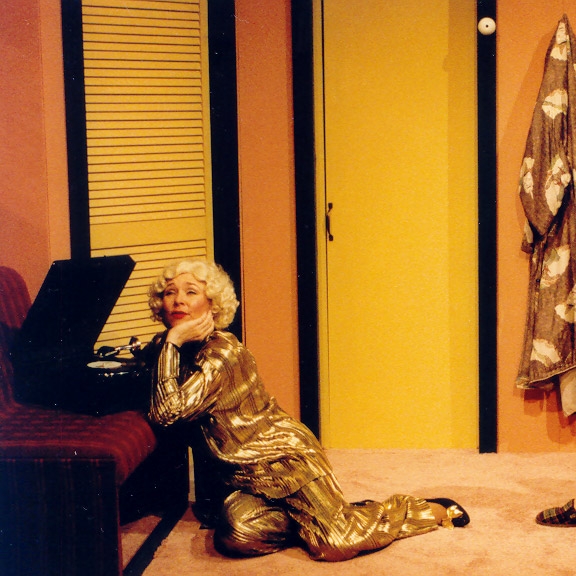
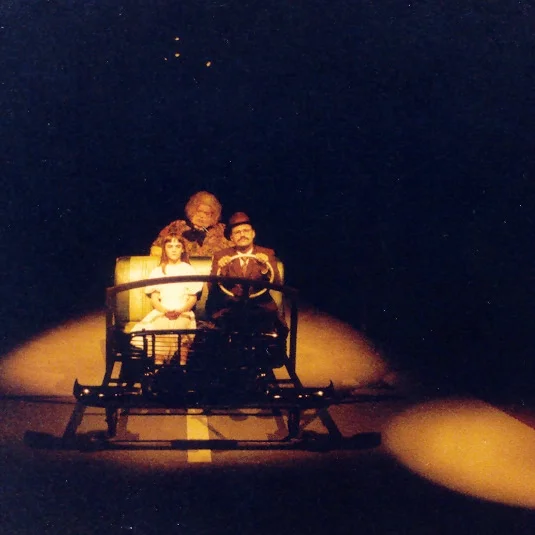
Its range extends from two-handers like Master Plan, Red and Old, Wicked Songs to epics like War and Peace, The Grapes of Wrath, Cry God for Harry!, A Passage to India, Lord of the Flies, Cry, the Beloved Country, and the six-hour, two-part The Blood of Agamemnon. All graced by performances by some of the state's best actors, surrounded by brilliant sets, costumes and graphic design, no other company in the State (and probably the country) can boast such an impressive history.
2022

by ANTON CHEKHOV
April 22 - 30
In 1896, on a lakeside estate outside Moscow, an anxious young writer stages his experimental first play, starring the young woman he adores. Among the audience are his mother, an acclaimed actress, and her lover, a famous novelist. Their glamorous presence not only disrupts the performance, but takes on a more profound significance for all present, in a dramatic comedy about misplaced love and the artistic life.
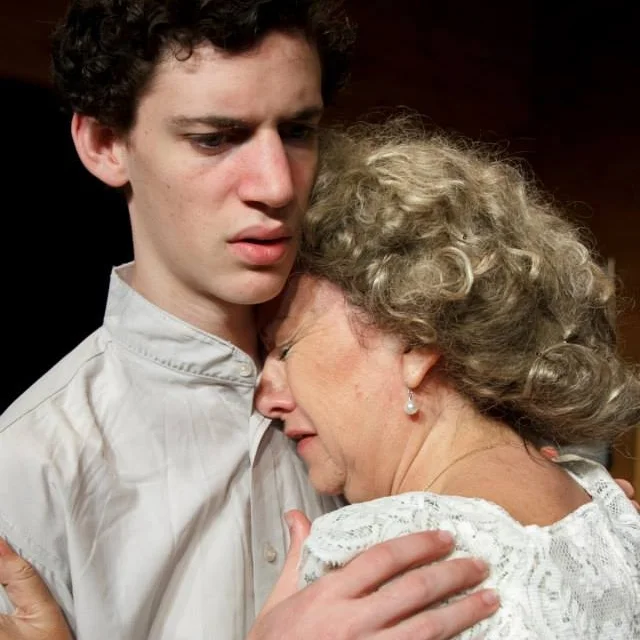
“Seagull” was the first of Chekhov’s four great plays which revolutionised the world of theatre. This brilliant new translation was first performed at London’s Arcola Theatre, and starred Geraldine James as Arkadina. Independent Theatre’s cast includes Rebecca Kemp, Eddie Sims, Eloise Quinn-Valentine and Patrick Marlin.

by WILLIAM SHAKESPEARE
August 5 - 13
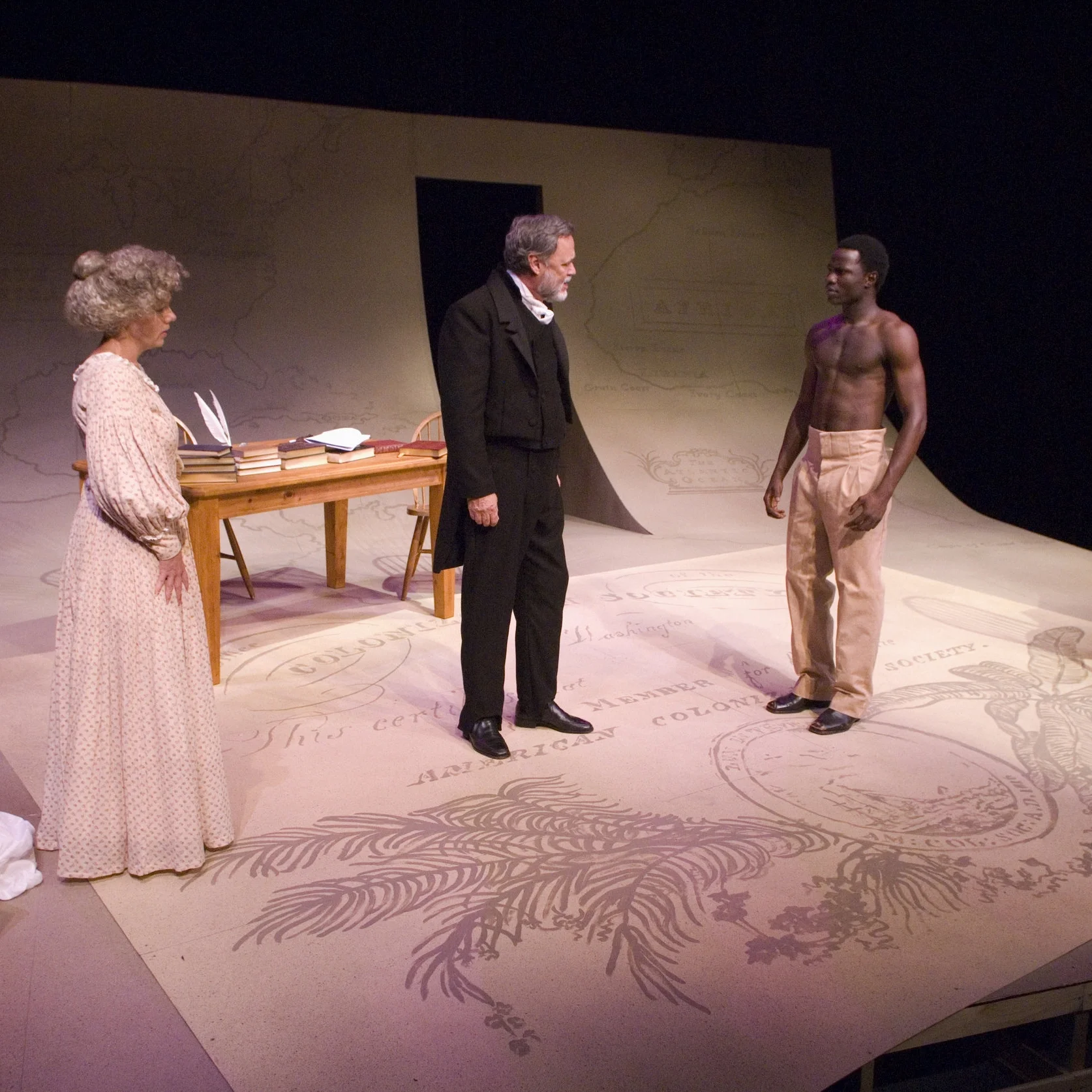
Othello is a heroic North African general in 1600s Venice. Surprisingly, in a white society, he is befriended by a Venetian senator and his beautiful daughter, Desdemona. Bravely defying society and her father, Desdemona secretly marries Othello and follows him to Cyprus, where he is sent to repel a Turkish invasion. Iago, a junior officer, tormented by personal and professional envy, by playing on Othello’s sense of foreignness, sets out to destroy their love, and bring Othello down.
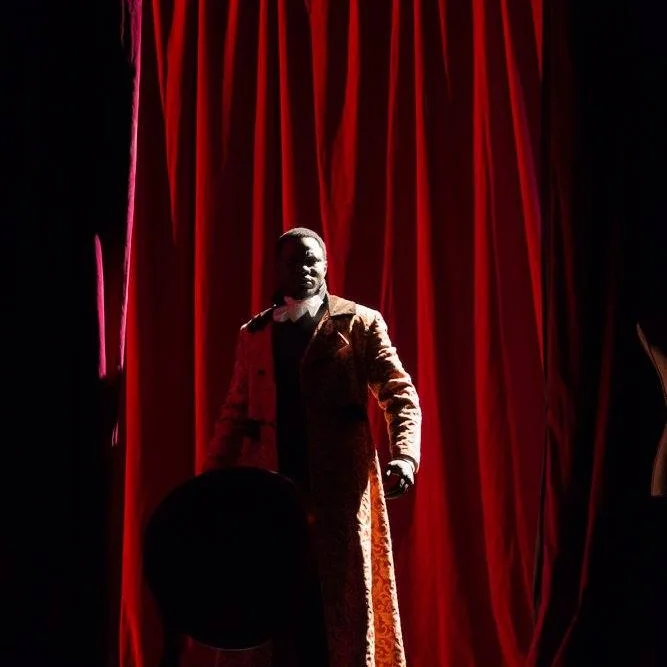
In 2011, Shedrick Yarkpai became the first African-born actor to play Othello in Australia. In 2022’s production, he is joined by David Daradan as Iago.
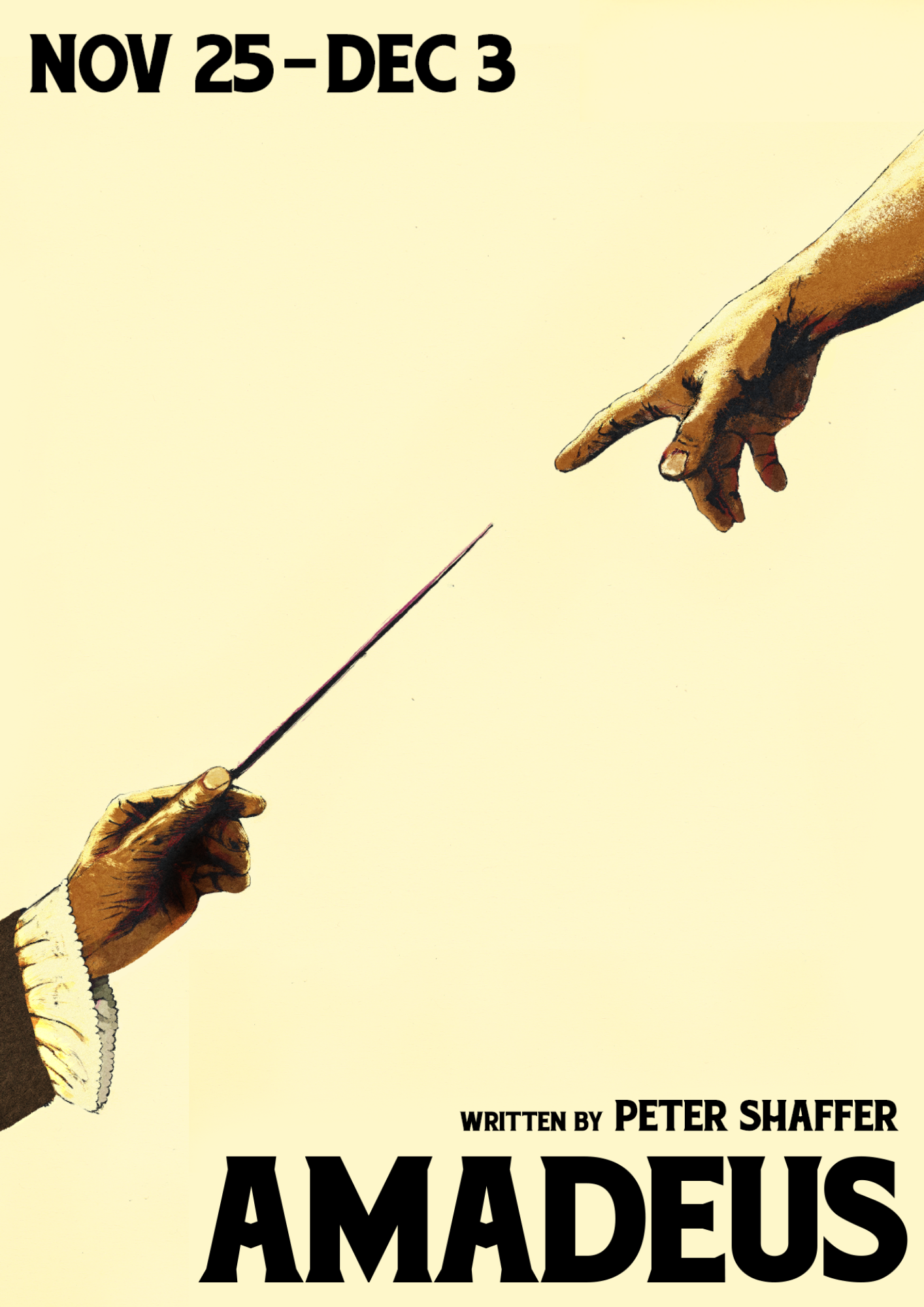
by PETER SHAFFER
November 25 - December 3
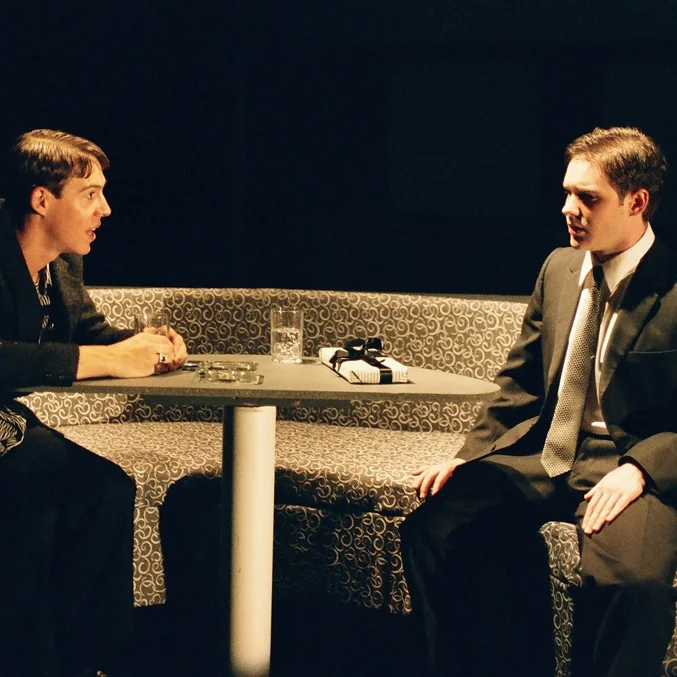
In Vienna, in 1823, the dying 73-year-old former court-composer, Antonio Salieri, is babbling that he was responsible for the murder of his arch-rival, Wolfgang Amadeus Mozart. Salieri’s fevered memories transport the audience back to the glittering court and musical worlds of Vienna, as Salieri battles with God over His choice of “an obscene child” to be the beneficiary of musical genius.
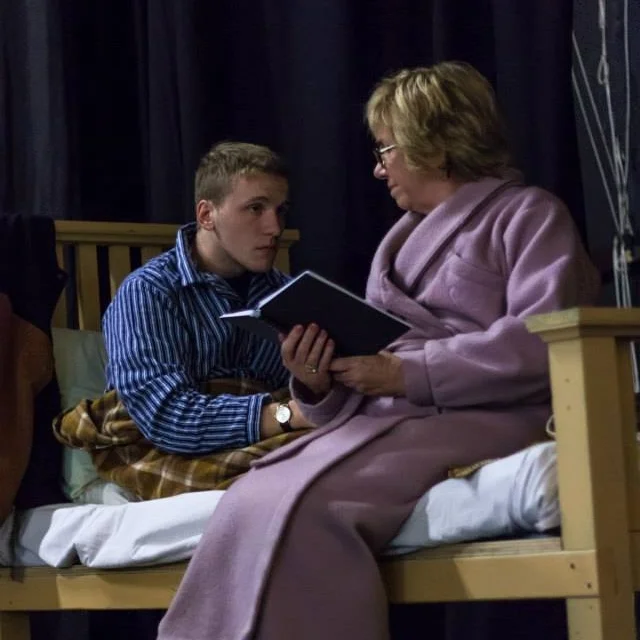
Starring Paul Scofield and Simon Callow, Peter Shaffer’s modern classic took the world by storm in 1979. Milos Forman’s spectacular 1986 film starred F Murray Abraham and Tom Hulce. Together again, after their triumph in Old, Wicked Songs, Ben Francis and David Roach play Mozart and Salieri.
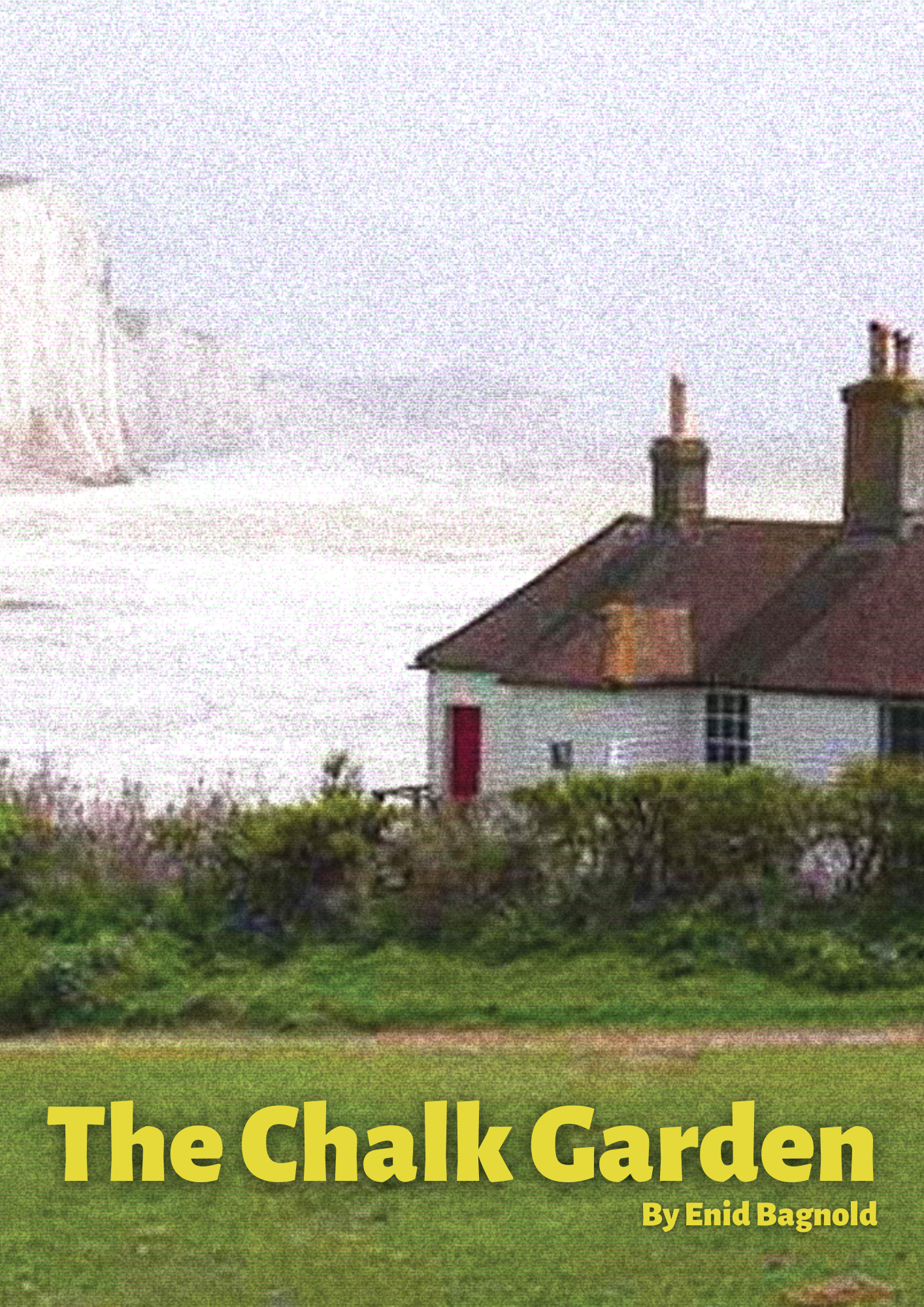
by ENID BAGNOLD
June 11
High-born military widow, Mrs St Maugham, has taken custody of her alarming granddaughter, Laurel, who specialises in self-dramatisation and pyromania. The old lady engages a governess - the mysterious Miss Madrigal - who sees that the lying teenager can no more flourish in this world of licensed eccentricity, than rhododendrons can prosper in Mrs St Maugham's arid chalk garden. Meanwhile, Laurel and the butler, Maitland, sharing a passion for true crime, set out to discover the secret to Miss Madrigal’s past.
The play’s brilliantly witty dialogue inspired acerbic critic, Kenneth Tynan, to say that it "may well be the finest artificial comedy to have flowed from an English (as opposed to an Irish) pen since the death of Congreve".
2021

by SAM AND BELLA SPEWACK
April 9 - 17
It's Christmas Eve, 1910, in French Guiana.
Three Devil's Island "lifers" are at work, repairing the roof of kindly (but inept) storekeeper, Felix Duchotel. Felix manages the store for his nasty-minded, rich cousin, Gaston. Panic strikes when Gaston unexpectedly arrives from France, demanding to examine Felix's accounts, and threatening Felix, his wife and daughter with eviction, if the books don’t balance.
The three Devil's Island "angels" decide to rescue the family. So – with the aid of Joseph's "accounting" skills, and Albert's pet snake, Adolphe – they set about solving the family's problems.
This criminally funny play was brilliantly filmed in 1955, as We're No Angels, starring Humphrey Bogart, Peter Ustinov and Aldo Ray.
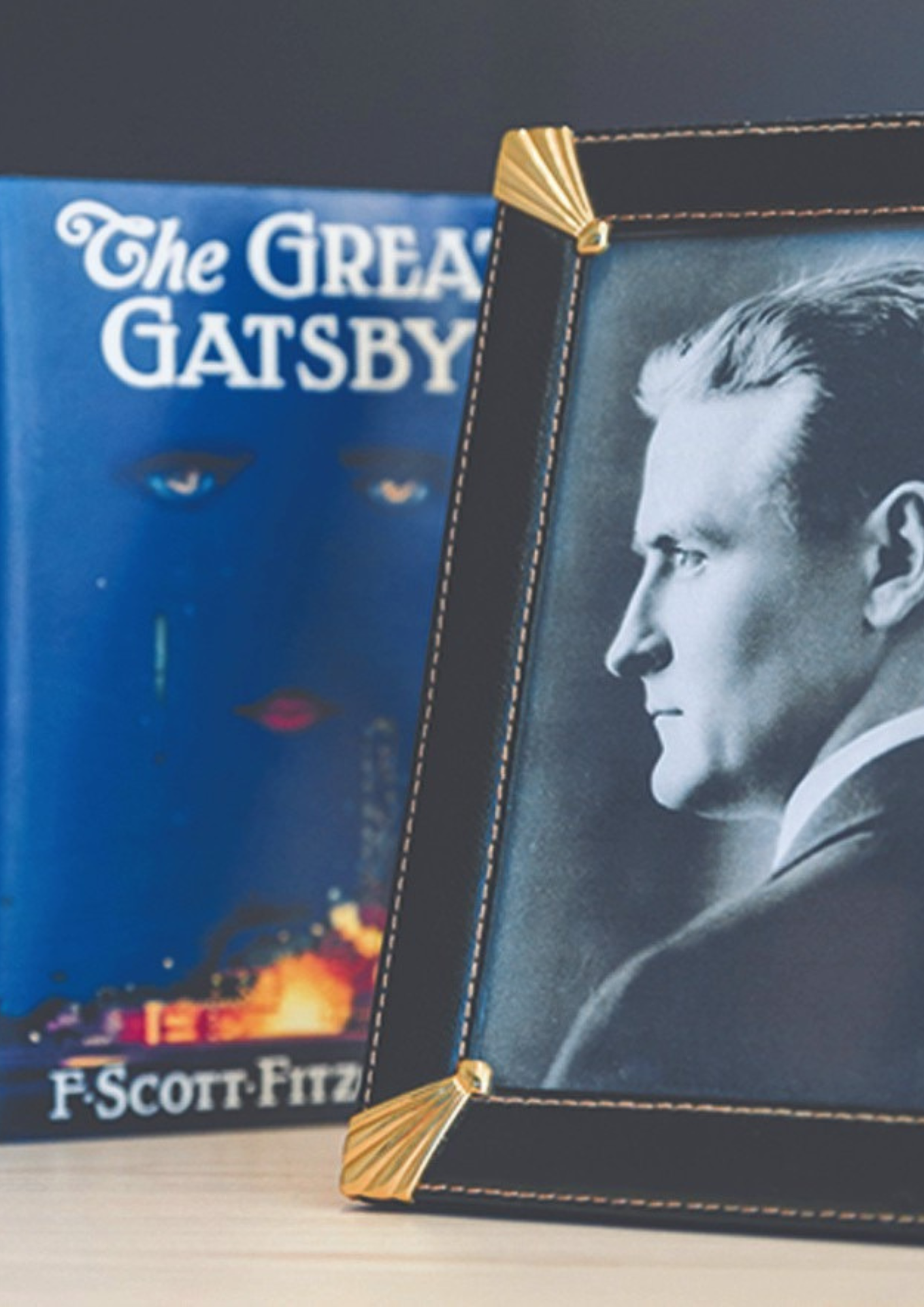
by A R GURNEY
June 12
Tom, an opportunistic young Scott Fitzgerald scholar, tricks his way into the home of a reclusive dowager, Isabel Hoyt, who lives with her socially withdrawn granddaughter. Mrs Hoyt was a legendary intimate of the 1920s Hemingway-Fitzgerald crowd, and Tom suspects she may have a lost chapter of The Great Gatsby among her Golden Age mementos - as well as letters proving that she was the original Daisy Buchanan!
Once she catches on to Tom's game, Isabel even considers giving him the manuscript. But there is a terrible price attached.
Inspired by Henry James’ mysterious novella, The Aspern Papers, A R Gurney’s intriguing, witty updating originally starred Jeff Daniels, Stockard Channing and Irene Worth. IT’s staged reading will star Will Cox, Madeleine Herd and Sheree Sellick.
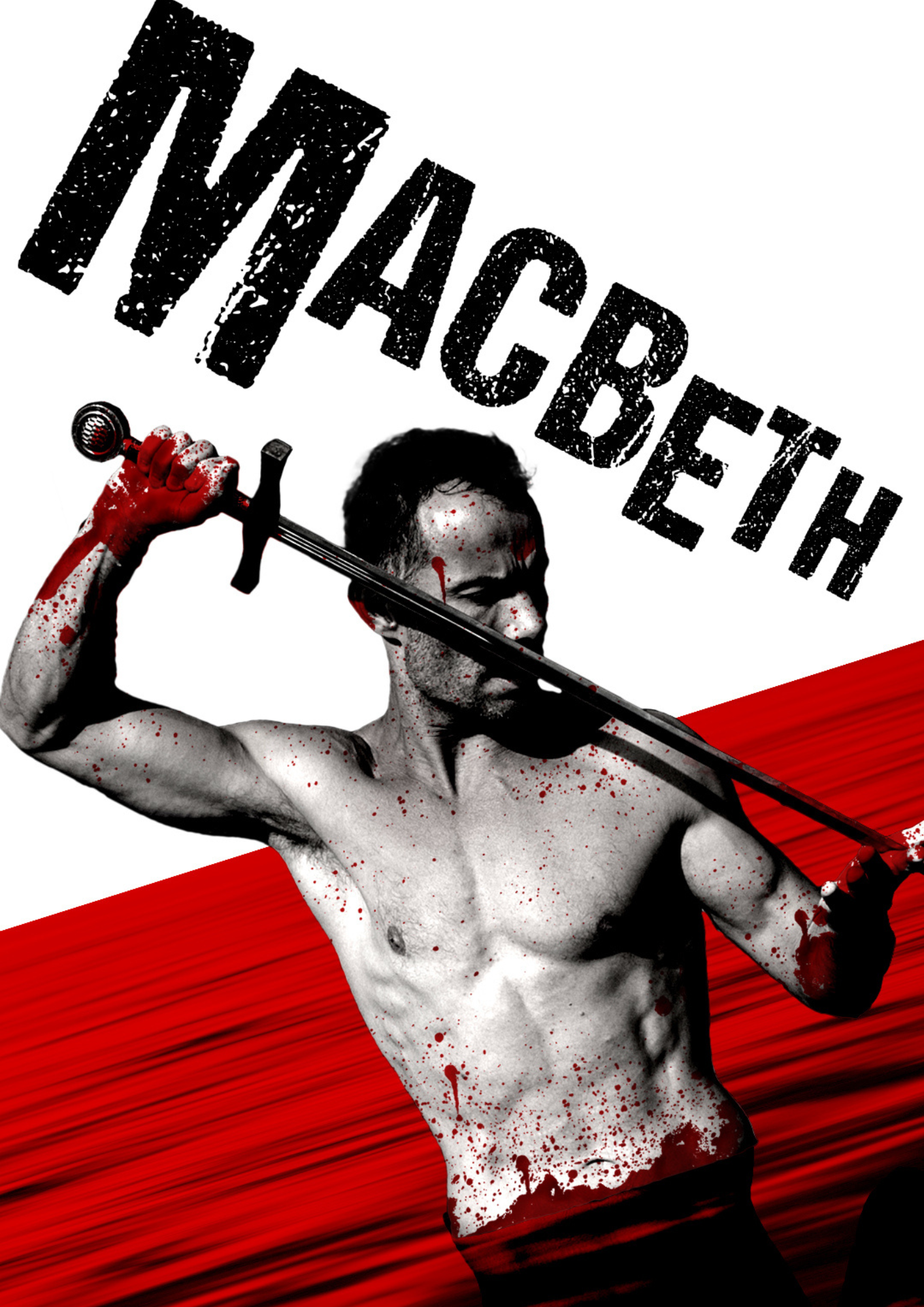
by WILLIAM SHAKESPEARE
July 30 - August 7
On his way home from battle, distinguished Scottish war-hero, Macbeth, and his companion, Banquo, are stopped by three witches, who prophesy that Macbeth will become King of Scotland. Rather than wait for the prophecy to fulfil itself - and spurred on by his domineering wife - Macbeth embarks on a terrifying, tyrannical course of bloodshed, to ensure that his ambitions come to fruition.
With its dark, thrilling narrative, its obsessive, driven characters, presided over by witches, ghosts and spectral daggers, Macbeth is many people’s favourite of all Shakespeare’s plays.
Fresh from his triumph in Bent, Matt Hyde will play Macbeth, with Adelaide’s Rebecca Kemp as his Lady.
by MELVYN MORROW
18 September
(bonus optional extra)
George Grossmith was a comedian/singer, who, between 1877 and 1889 – from Trial by Jury to The Yeomen of the Guard – created all the principal comic roles for the Gilbert and Sullivan operas. He also wrote many, many comic songs of his own, as well as (with his brother, Weedon) the classic satirical novel, The Diary of a Nobody. After 12 years with the company, Grossmith decided to branch out on his own.
Melvyn Morrow's one-man piece (which has previously starred Dennis Olsen and Anthony Warlow) takes place in Grossmith's dressing room, on his last day with the company. As he reminisces, he performs 16 patter songs and dances from all his G&S roles, as well as several of his own songs.
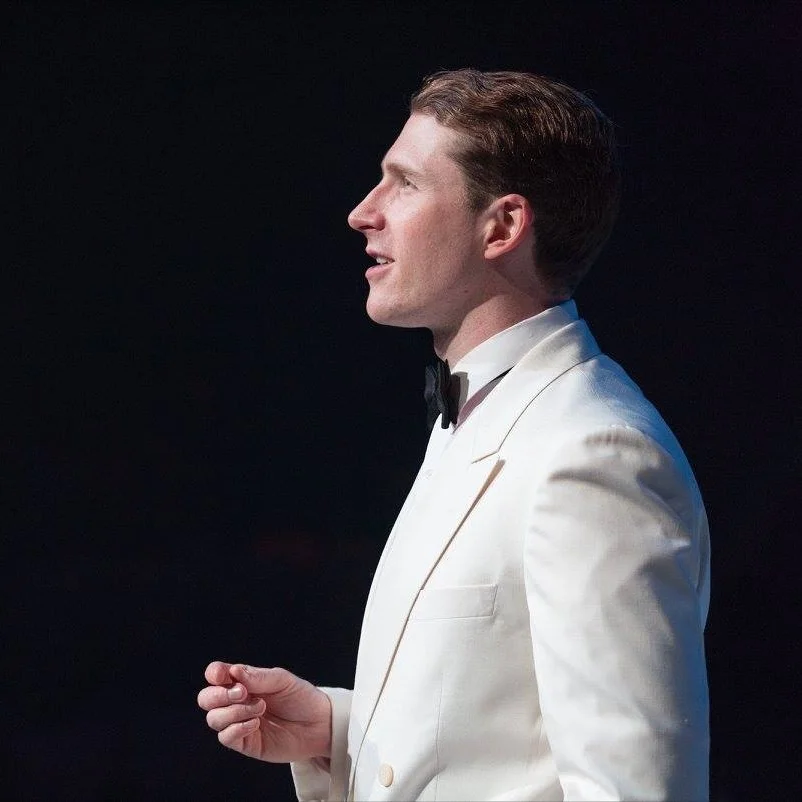
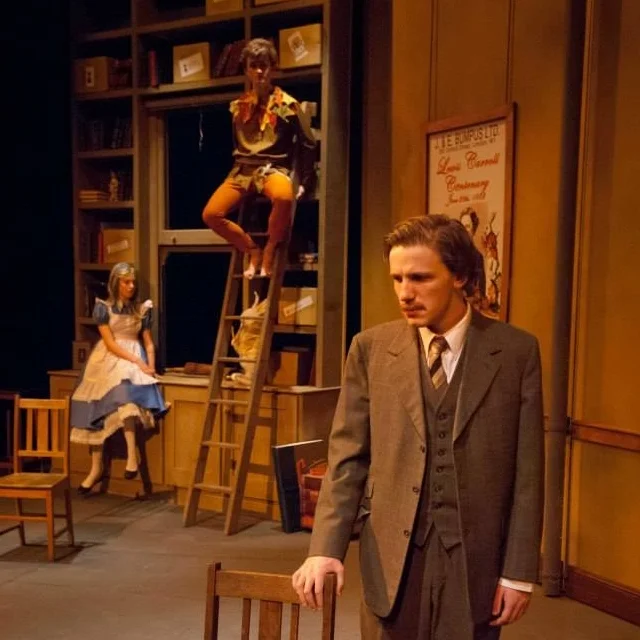
Brilliant young actor/singer, Ben Francis, has delighted Independent Theatre audiences many times – as Peter Pan in Peter and Alice, the Jazz Singer in The Great Gatsby, Sebastian Flyte in Brideshead Revisited, Stephen Hoffman in Old, Wicked Songs and the title character in Don Carlos, to name but a few.
As a special treat, we are offering Patrons and Subscribers the opportunity to jump the public queue, by buying reduced-price tickets to this unique event, before they go on general sale.
2020
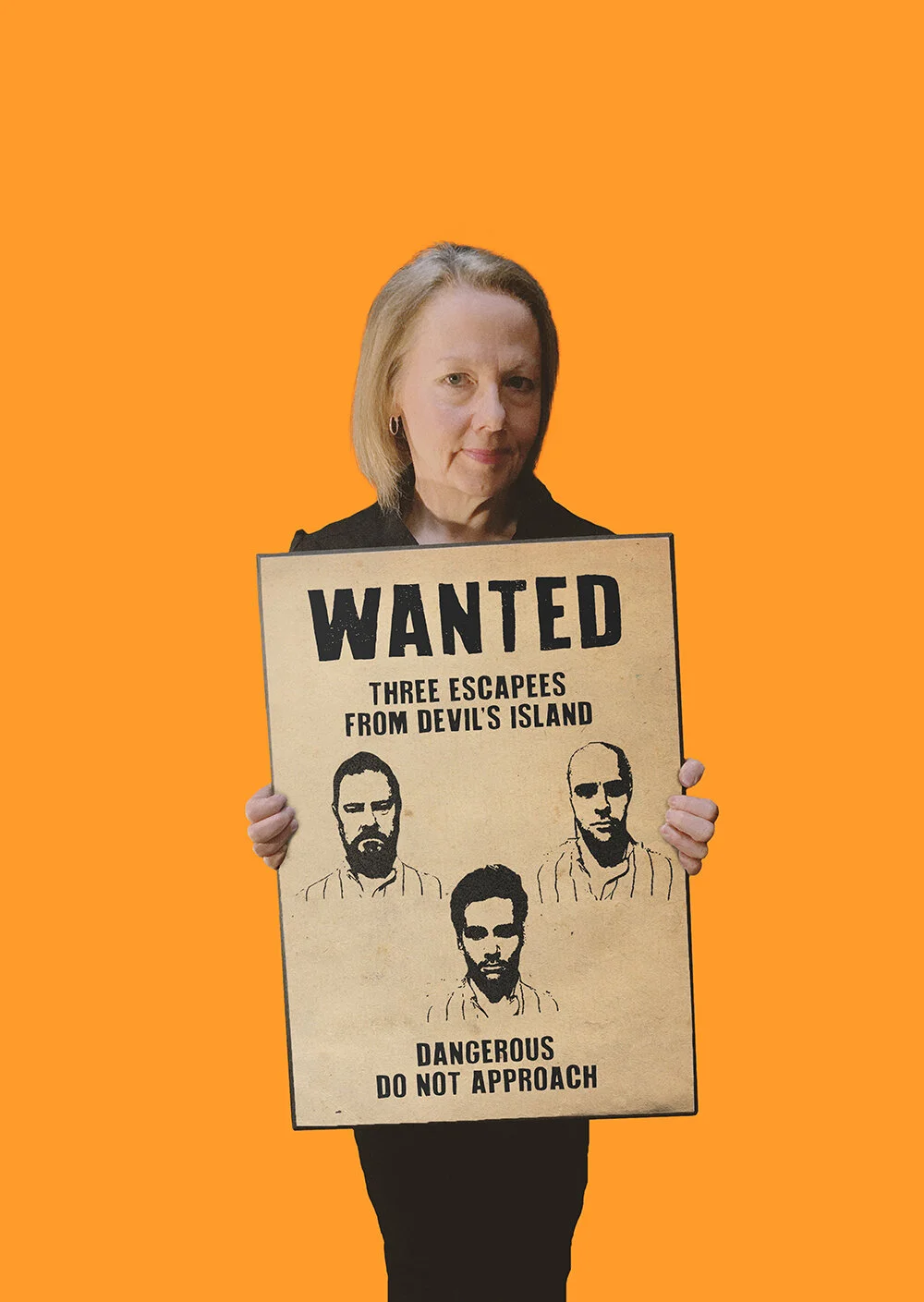
POSTPONED to 2021
It’s Christmas Eve, 1910, in French Guiana, where the temperature has dropped to a mild 104 degrees.
Three Devil’s Island “lifers”, Joseph, Jules and Albert – two murderers and an embezzler – are on a work detail, repairing the roof of kindly, but inept storekeeper, Felix Dulay, his wife and daughter. Felix manages the store for his nasty-minded, rich cousin, Gaston Lemare. Panic strikes when Gaston arrives unexpectedly, from France, demanding to examine Felix’s books, and threatening the family with eviction if the books don’t balance. Accompanying him is his equally arrogant nephew, Paul, loved by Felix’s daughter, but now jilting her for a Parisian heiress.
Appalled by the injustice, the three Devil’s Island “angels” decide to rescue the family. So – with the aid of Joseph’s “accounting” skills, and Albert’s pet snake, Adolphe – they set about solving the family’s problems.
Sam and Bella Spewack’s wickedly funny adaptation of French playwright Albert Husson’s 1952 La Cuisine des Anges was a stage hit in New York and London. It was successfully filmed in 1955, as We’re No Angels, starring Humphrey Bogart (in one of his rare comedic roles), Peter Ustinov and Aldo Ray as the three “angels”.
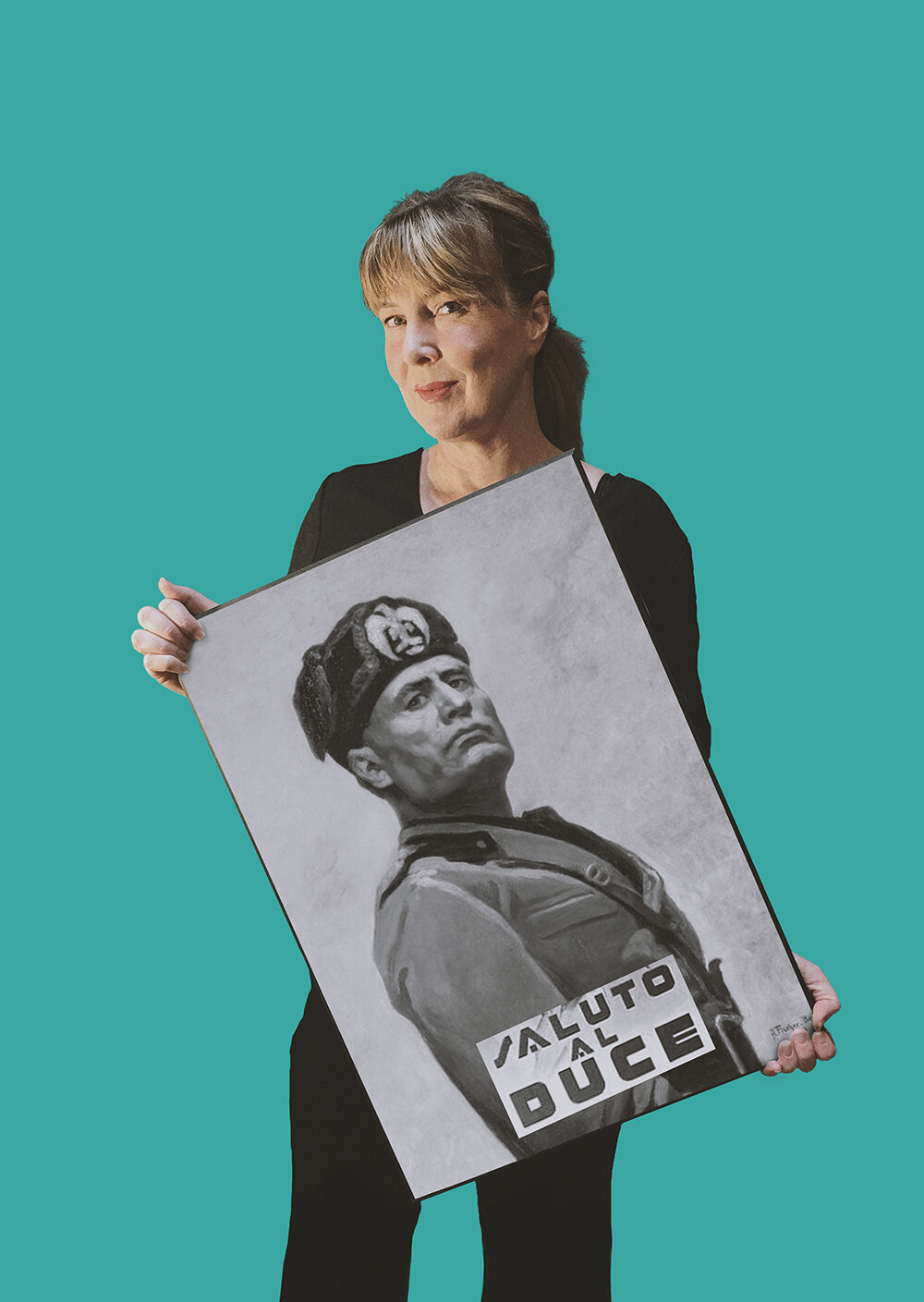
POSTPONED TO 2021
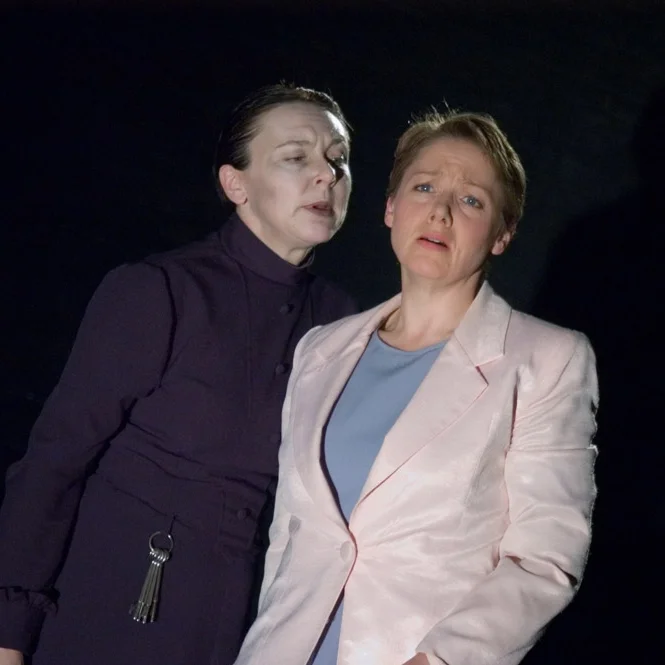
At Edinburgh’s staid Marcia Blaine School for Girls, flamboyant teacher Miss Jean Brodie is unmistakably, and outspokenly, in her prime. A devotee of all things Italian – art, opera and Mussolini – and hater of the Girl Guides, Miss Brodie’s unorthodox teaching methods, and her dedication to “her girls”, set her on a collision course with the school’s rigid headmistress.
Fanatically devoted to their teacher, each member of the Brodie set will be “famous for something”, and Miss Brodie strives to bring out the best in each one. Determined to instil in them independence, passion, and ambition, Miss Brodie’s creed is: “I am in the business of putting old heads on young shoulders. Give me a girl at an impressionable age, and she is mine for life.”
All but one, as it turns out.
Jay Presson Allen’s famous adaptation brings out all the delicious irony and humour of Muriel Spark’s darkly witty novel, as well as flagging the inherent dangers of a strong influence on formative minds.
Vanessa Redgrave created the role on the London stage, followed by Australian actress, Zoe Caldwell, on Broadway. The 1968 film saw Maggie Smith win her first Oscar.

PROCEEDING AS PLANNED
NOVEMBER 13-21
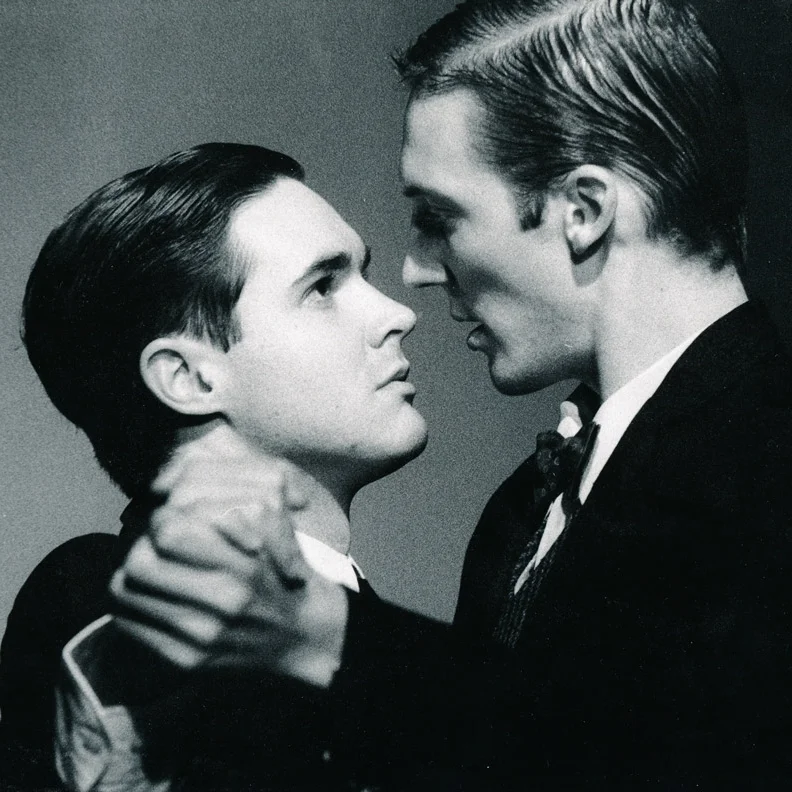
Martin Sherman’s ground-breaking play begins in Berlin in June 1934, on the “Night of the Long Knives”, when Hitler issued an order to purge all homosexuals from the Army. Max, a small-timer wheeler-dealer, and his dancer boyfriend, Rudy, are recovering from a night of debauchery with an SA trooper, when two soldiers burst into their apartment, thus forcing them on a nightmare odyssey through Nazi Germany – through a Berlin nightclub, a forest hideout, a prison-train, and, ultimately, Dachau concentration camp.
Ever the survivor, in Dachau, Max elects to wear the Yellow Jewish Star rather than the Pink Triangle for homosexuals.
But, it’s in the dehumanising grind of the prison stone-yards that he learns, from fellow-prisoner, Horst, love, acceptance, sacrifice and ultimate redemption.
Starring Ian McKellen as Max, this landmark play premiered at London’s Royal Court Theatre in 1979. The following year, on Broadway, Richard Gere played Max. Independent Theatre’s production will occur 40 years since the South Australian Theatre Company performed it, with John Hargreaves and Tim Considine.
It will also coincide with, and be a part of, the 2020 Feast Festival.
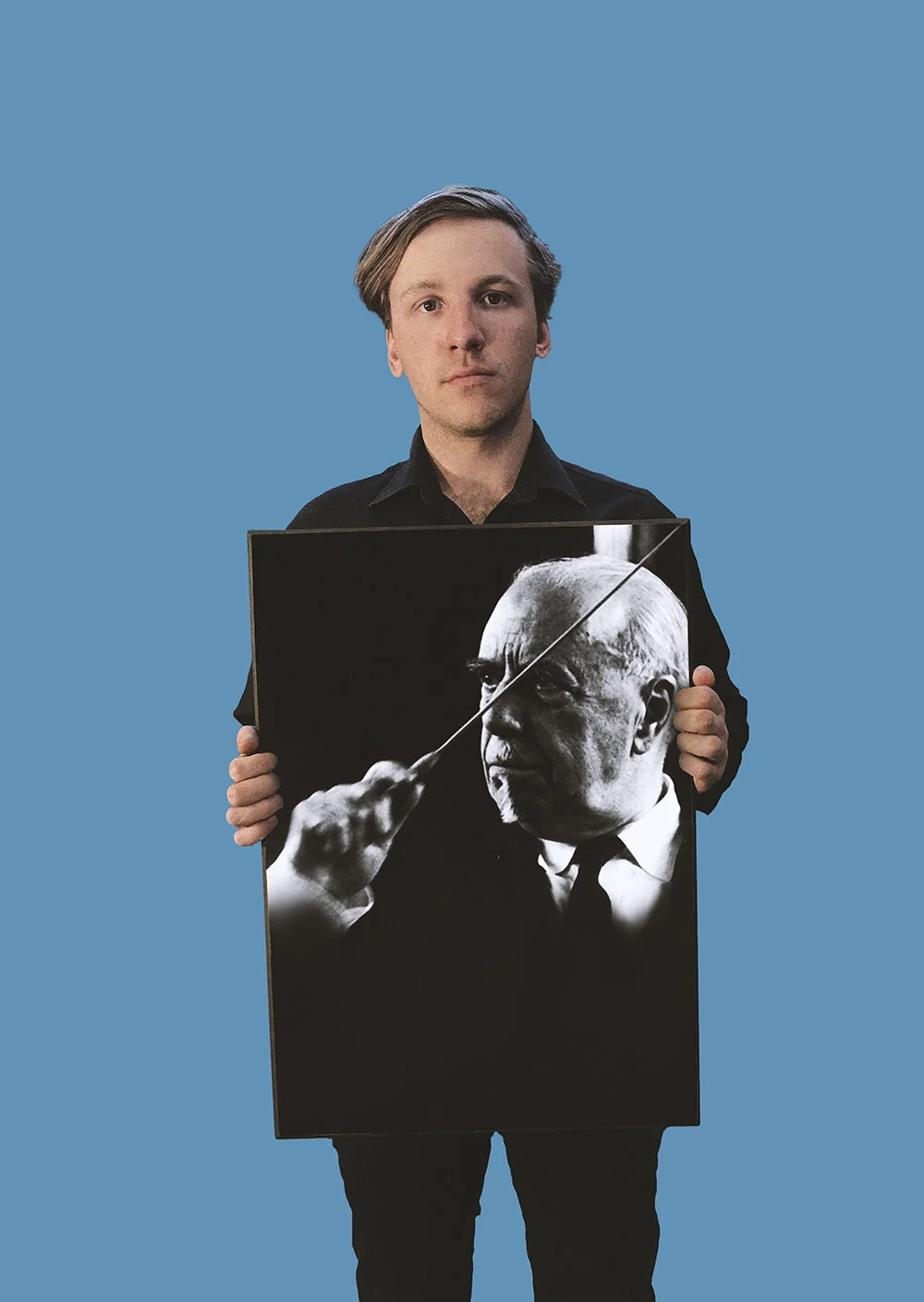
MOVED TO 27 SEPTEMBER
Sir Thomas Beecham was one of Britain’s greatest orchestral conductors. He was also a crusty, colourful personality, famed for his acid wit and pithy sayings. Stories about Sir Thomas have abounded among musical circles for decades.
Caryl Brahms & Ned Sherrin have taken these anecdotes about his dealings with the rich and musically famous, and woven them into a dazzling two-hander between Sir Thomas and his musical secretary. The play shows Beecham in full-sail at various stages of his career – witty, tongue-in-cheek, often ruthlessly clear-sighted – and recounts incidents eccentric, trenchant, occasionally outrageous – but always hilarious.
With Timothy West as Sir Thomas, the play performed to sell-out houses in London, before being recorded as a radio play, and then filmed for television with a full orchestra. It was seen as “helping cement Beecham’s name as one of England’s natural wits and true originals”.
Beecham captures the spirit of a remarkable man, who brought an added joy and sparkle to many people’s lives, and to the world of music. Especially fitting for Ukaria’s concert hall, our staged reading will surround audiences with generous excerpts of Beecham’s own recordings.
2019
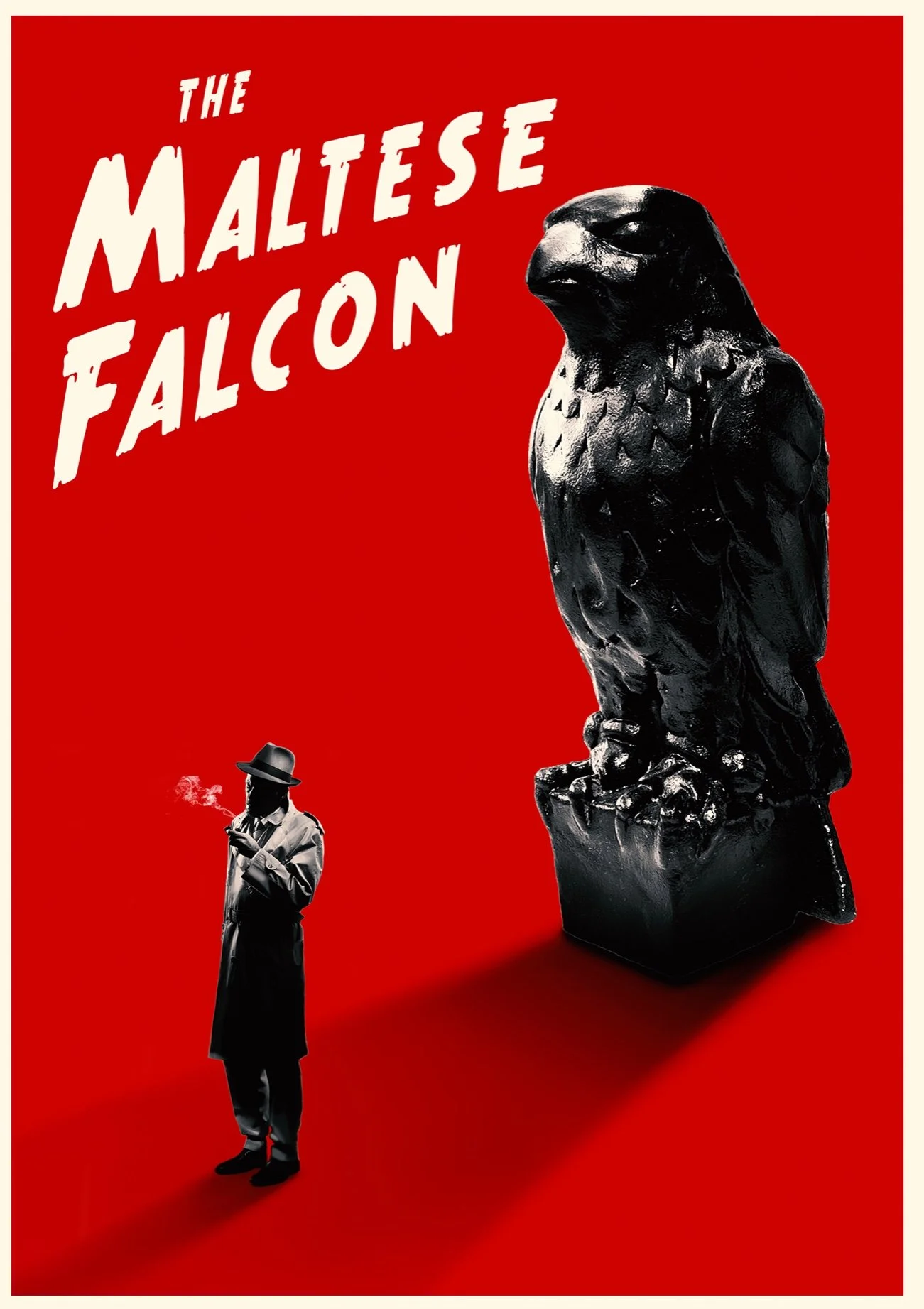
April 26 – May 4
Hard-boiled San Francisco Private Eye, Sam Spade, is hired by the alluring Miss Wonderly to track down her sister, who has eloped with a gangster called Floyd Thursby. But Miss Wonderly quickly turns out to be as slippery and treacherous as she is beautiful.
Throw into the mix a perfumed Greek fortune-hunter, a teenage hoodlum, a sinister fat man, plus a fabulous jewel-encrusted statue worth murdering for, and the stage is set for one of the greatest crime thrillers of all time.
These are the ingredients of Dashiell Hammett’s coolly glittering 1928 gem of detective fiction, the first of its kind, and one that has haunted generations of readers.
The story was filmed twice, in the 1930s, before John Huston decided to make it his first film. And thank goodness he did, because his 1941 version – which starred Humphrey Bogart, Mary Astor, Peter Lorre and Sydney Greenstreet – became a cinema classic, ushering in, as it did, the film noir style of seedy detective films.
Following its tradition of its award-winning Strangers on a Train, and by The Hound of the Baskervilles, Independent Theatre is thrilled to be bringing another brilliant classic of crime and mystery to the stage.
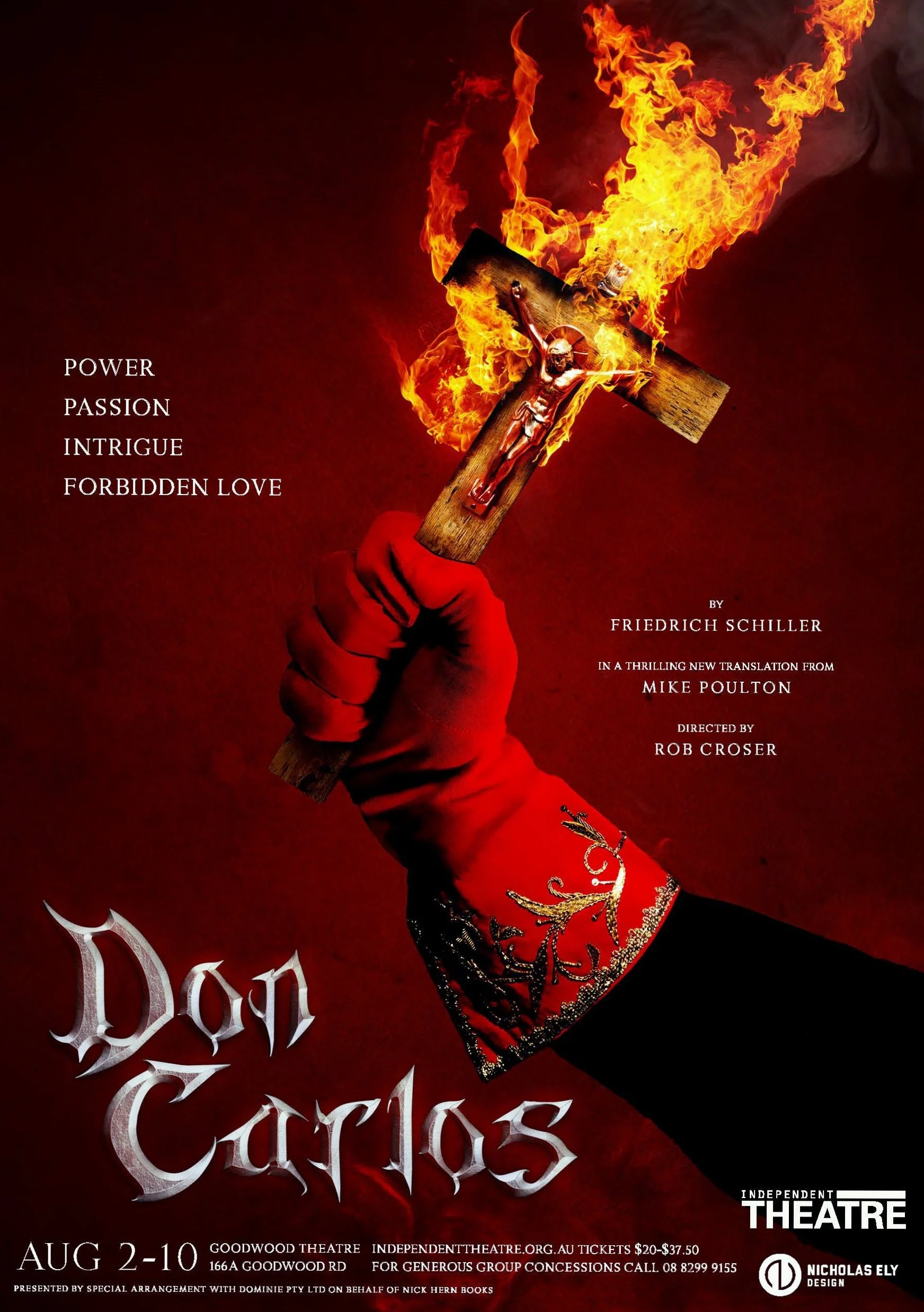
August 2 – 10
In 16th-century Spain, the Spanish Inquisition is in full swing. Crown Prince Carlos is betrothed to Princess Elisabeth of France – until his tyrannical father, King Philip II, decides it would be better politics for him to marry Elisabeth himself.
Trapped in a spy-riddled court, the explosive young prince’s hatred for his puritanical father knows no bounds. Nor does his continued love for his now-stepmother. Carlos entreats his boyhood friend, Rodrigo, Marquis of Posa, to act as a go-between.
Rodrigo decides, instead, to defy the Inquisition, and convert Carlos’ dangerous passion into a full-scale rebellion against Philip’s religiously oppressive and bloody regime. But, can Rodrigo shield Carlos from his enemies at court, while opening the prince’s eyes to what a humane ruler might achieve?
Schiller’s most famous play – regarded as the German Hamlet – is a taut political thriller, brim-full of back-stabbing intrigue, interwoven with timeless debates about liberty, justice, power, tolerance, freedom of conscience and legitimacy of government.
One of the world’s truly great plays, so famous was Don Carlos that Giuseppe Verdi adapted it into the most magnificent of all his operas.
A must-see, if you loved The Tudors and The Borgias.

November 15 – 23
Vivie Warren has just graduated with Honours from Cambridge – making her a rarity in late 19th century England. She has been supported through her education by her mysterious mother, who has spent much of Vivie’s life abroad.
Holidaying in Surrey, before starting work with a female actuary in London, Vivie is reunited with her bombastic mother, and several of her mother’s old male associates. During the course of the weekend, it becomes apparent to Vivie that her mother’s considerable wealth has not been earned in quite respectable ways.
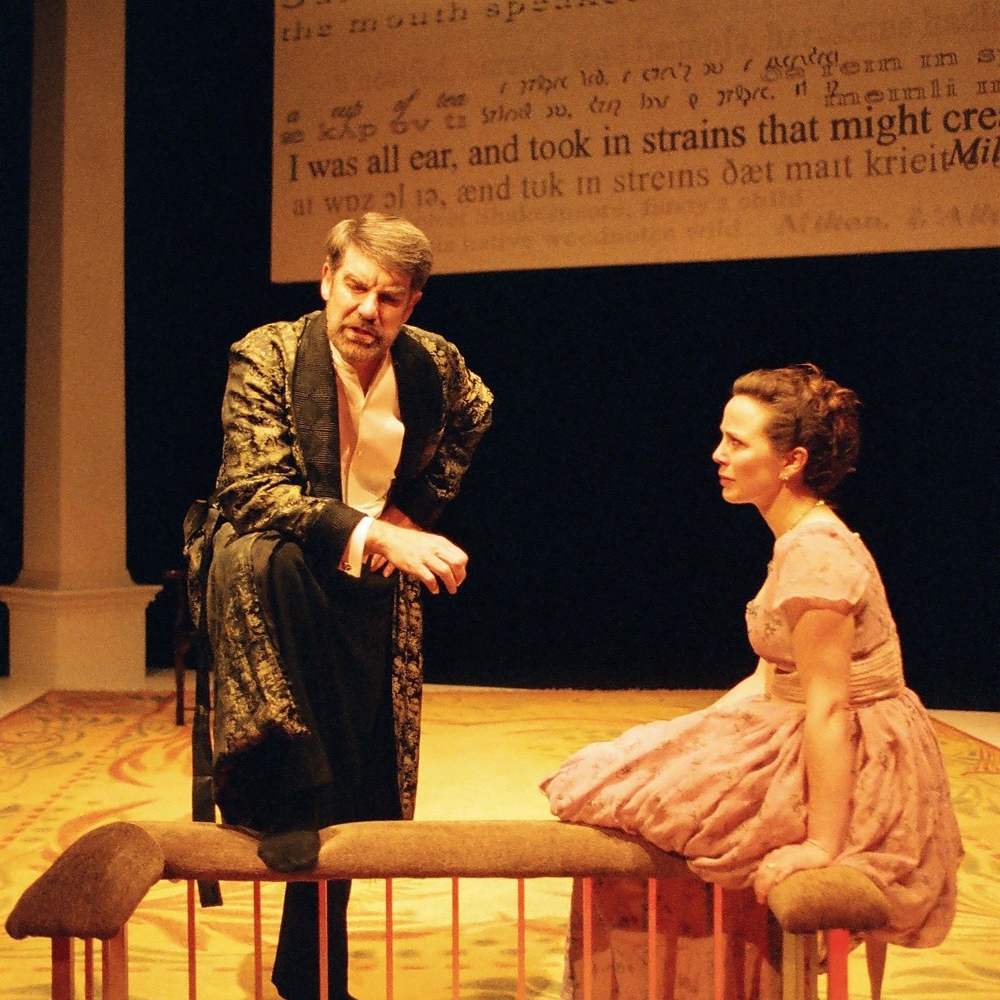
Like Pygmalion, Major Barbara – indeed all of Shaw’s plays – Mrs Warren is filled with fascinating, ding-dong arguments between mother and daughter, and rich with Shaw’s trademark wit and humour, leaving the audience to decide where rightness lies.
Written in 1893, and one of Bernard Shaw’s cleverest, wittiest plays, it was originally banned, and not licensed for public performance until 1925.
At a time when women’s issues are in the foreground of the public and political debate, the play’s themes – of women’s position in society, women’s higher education, and the exploitation of female workers – couldn’t be more timely.
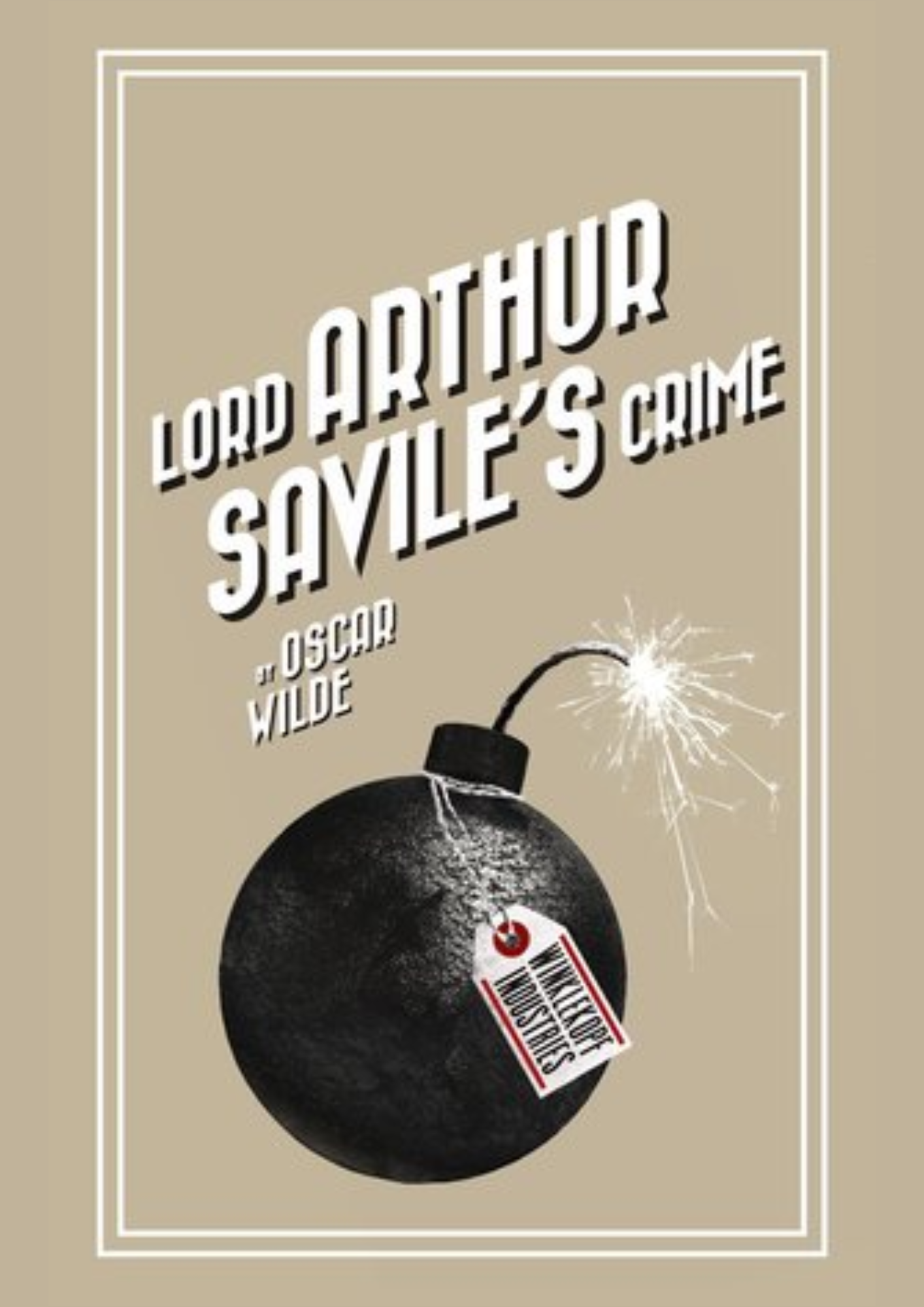
June 9
It is 1890, and the social season is in full swing. Wealthy, debonair young man-about-London, Lord Arthur Savile, is on top of the world. He is doted on by his elderly, aristocratic relatives, and engaged to Sybil Merton, the girl of his dreams.
At a party, his palm is read by a fashionable cheiromantist, who foretells that he will commit a murder. Horrified at the potential shame this will bring his bride, Arthur decides that it’s his duty to get the murder out of the way, discreetly, before he marries Sybil. But, which of his relatives is the most expendable? Aided by the services of his Jeeves-like butler, Baines, and a seedy German anarchist, with an array of guns, bombs and poisoned chocolates, Lord Arthur sets about his noble task – with increasingly hilarious results.
Wickedly funny, ingenious and farcical, Oscar Wilde’s short story is laden with the stunning dialogue that glitters through The Importance of being Earnest and Lady Windermere’s Fan.
Following the sell-out success of last year’s Ukaria play-reading of Judging Oscar, it seemed fitting to follow it up with one of Oscar’s lesser-known, but no less brilliant gems.
2018
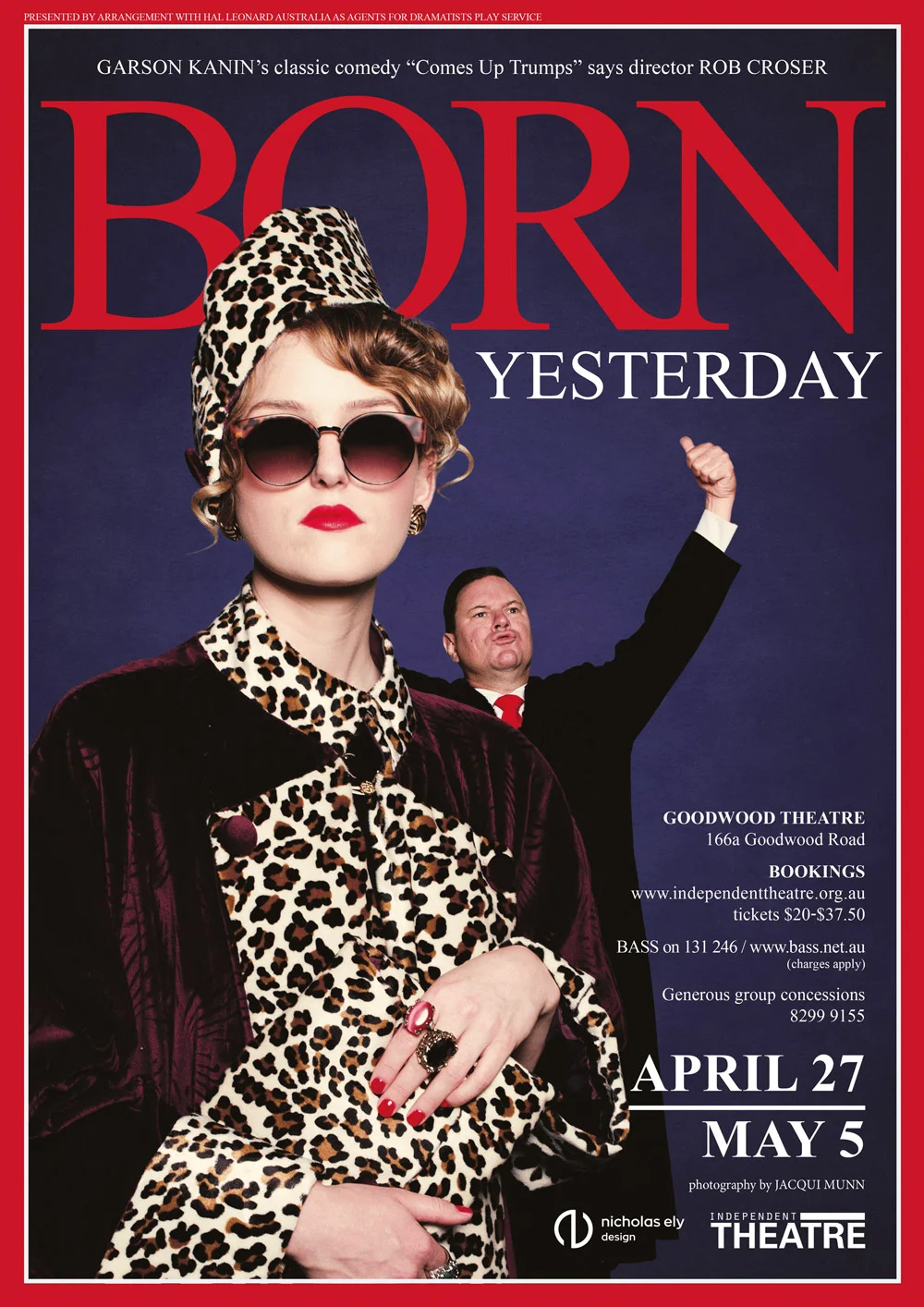
April 27 – May 5
Washington DC. 1946. The war is just over, and Harry Brock, a loud-mouthed junk-man millionaire, has descended on Washington to cash in. He plans to buy a Senator, and bribe Congress to look the other way, while he forms a cartel to wheel and deal in war-time scrap-metal. Part of his entourage is his ex-chorus-girl mistress, the beautiful, but uneducated, Billie Dawn. To make Billie more acceptable for Washington, Harry hits on the idea of hiring Paul Verrall, a handsome young reporter, to smarten her up. But, as Billie starts to read and learn, one of the things she discovers is that she doesn’t have to listen to Harry any more. Horrified at what he has unwittingly helped create, Harry looks around for ways “to make her dumb again”. But, it’s too late. The delicious genie is out of the bottle.

June 17 (staged reading)
London. 1895. Poet, novelist, playwright, wit and raconteur, Oscar Wilde, is the most famous man in London. The author of The Picture of Dorian Gray, as well as the children’s stories, The Happy Prince and The Selfish Giant, he also has two hit plays running in London at the same time – An Ideal Husband, and the world’s most perfect comedy – glitteringly witty The Importance of Being Earnest. Oscar is fêted in society, comfortably married, and the father of two young sons. But, he is also desperately in love with the beautiful, but dangerously unstable, Lord Alfred Douglas (nicknamed “Bosie”), youngest son of the Marquess of Queensberry. Outraged at the gossip circulating in London, the “mad Marquess” begins a campaign of stalking and publicly vilifying Wilde. Finally goaded by Bosie, Wilde brings an action for criminal libel against Queensberry, which backfires, and places Wilde in the dock – an outcast from the society that has so recently adored him.
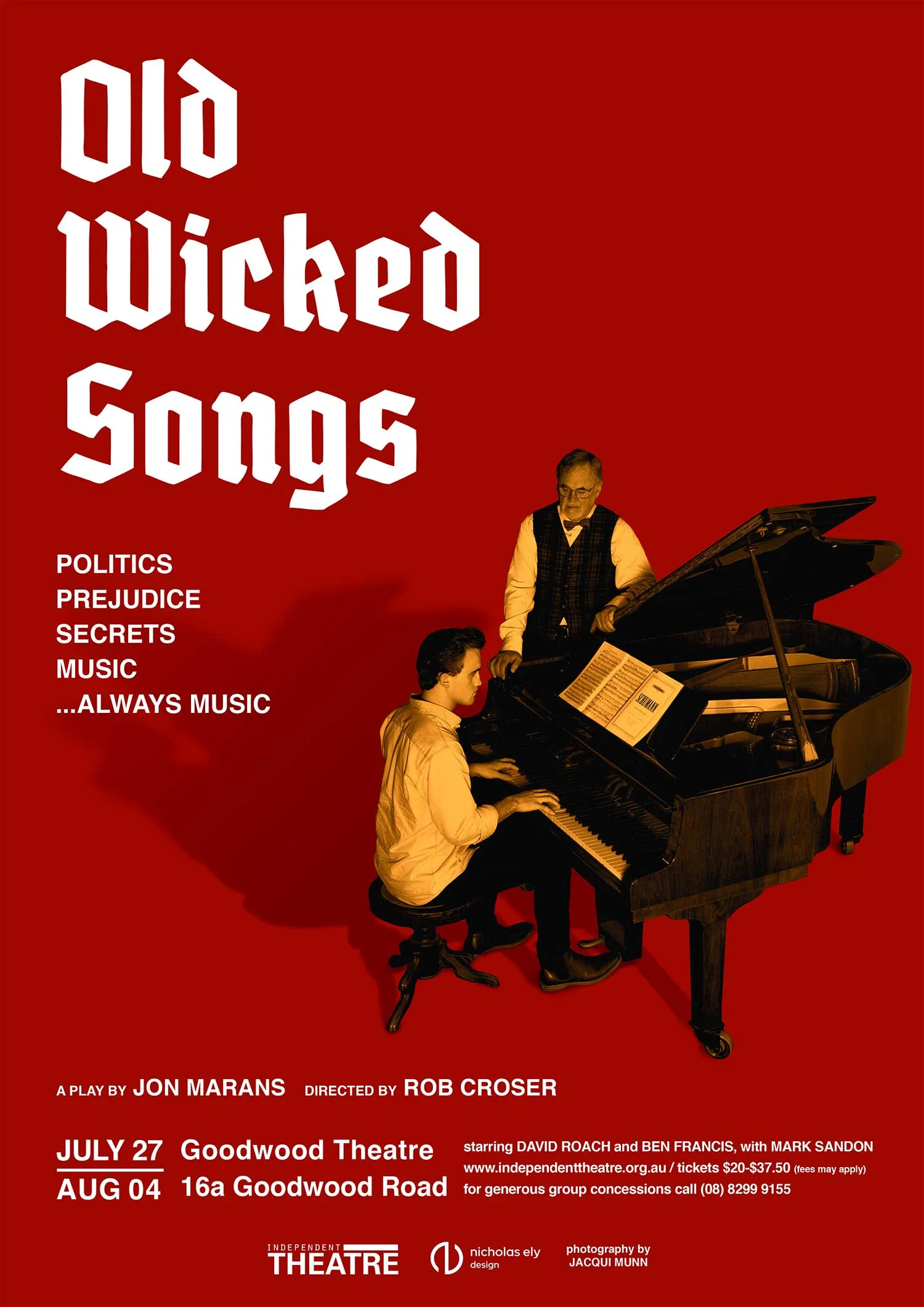
July 27 - August 4
Vienna. 1986. Kurt Waldheim is running for the chancellorship of Austria, despite his Nazi past.
Hoping to shatter the artistic block that has crippled his brilliant career, Stephen Hoffman, a young American piano prodigy, has come to study in Vienna. He is assigned to an elderly vocal teacher, Professor Josef Mashkan, who – to Stephen’s disgust – insists on teaching him, not the piano, but how to sing Schumann’s “Dichterliebe” song cycle about the birth and death of love.
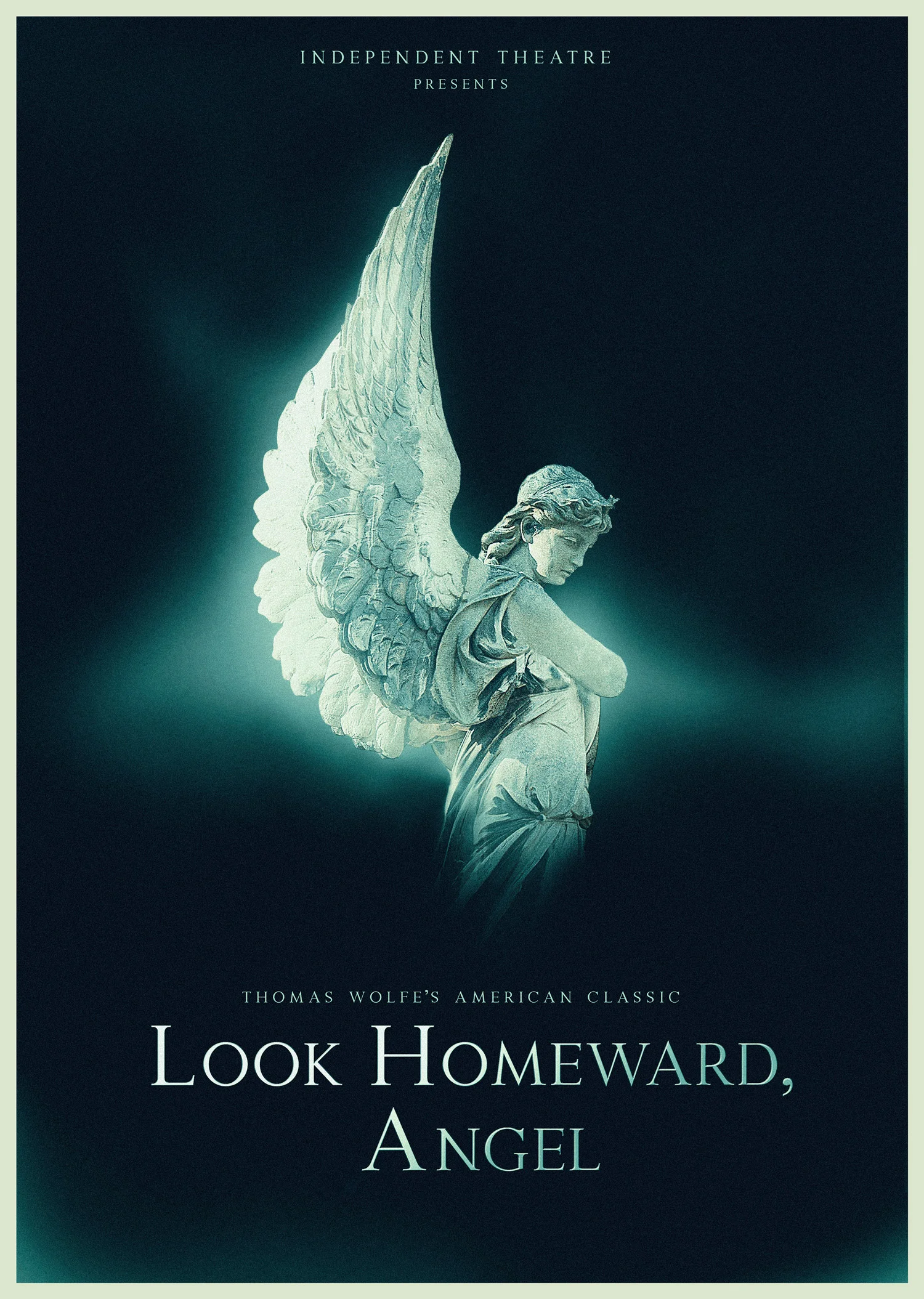
November 16 – 24
North Carolina. 1916. But it could be anywhere. Any time. Teenager Eugene Gant lives in a country town with his large, crazy family, and survives by reading great books. His home is the "Dixieland" boarding house, run by his domineering mother, Eliza, who is forever buying real estate and caring for her bizarre assortment of boarders rather than her family. She constantly battles with Eugene's boozy, poetry-spouting father, W. O. Gant – a monumental mason, whose prize possession is a marble angel that represents the characters' aspirations. Of all his siblings, Eugene most idolises his older brother, Ben, who knows the danger of entrapment by the family, and urges young Eugene to get away. Caught in the stifling cross-fire between his romantic father and pragmatic mother, Eugene dreams of escaping to become a writer. But nothing complicates a dream like the arrival of your first great love. Will he ever get away? Will he recover? Can he learn to understand and forgive?
2017

April 21 – 29
SEASON CLOSED
Britain. 1948. The war is over, petrol and paté are still being rationed, good help is hard to find, and the Skinner family is getting ready to go to a garden party for the Bishop of Capetown. Their recently-widowed daughter, Laura, first shocks the family by wearing pink, instead of widow's black, and then by revealing that her late husband died of something other than malaria. The news threatens her snobbish sister's secretaryship of the golf club, and their father's candidacy for the Conservative Party.
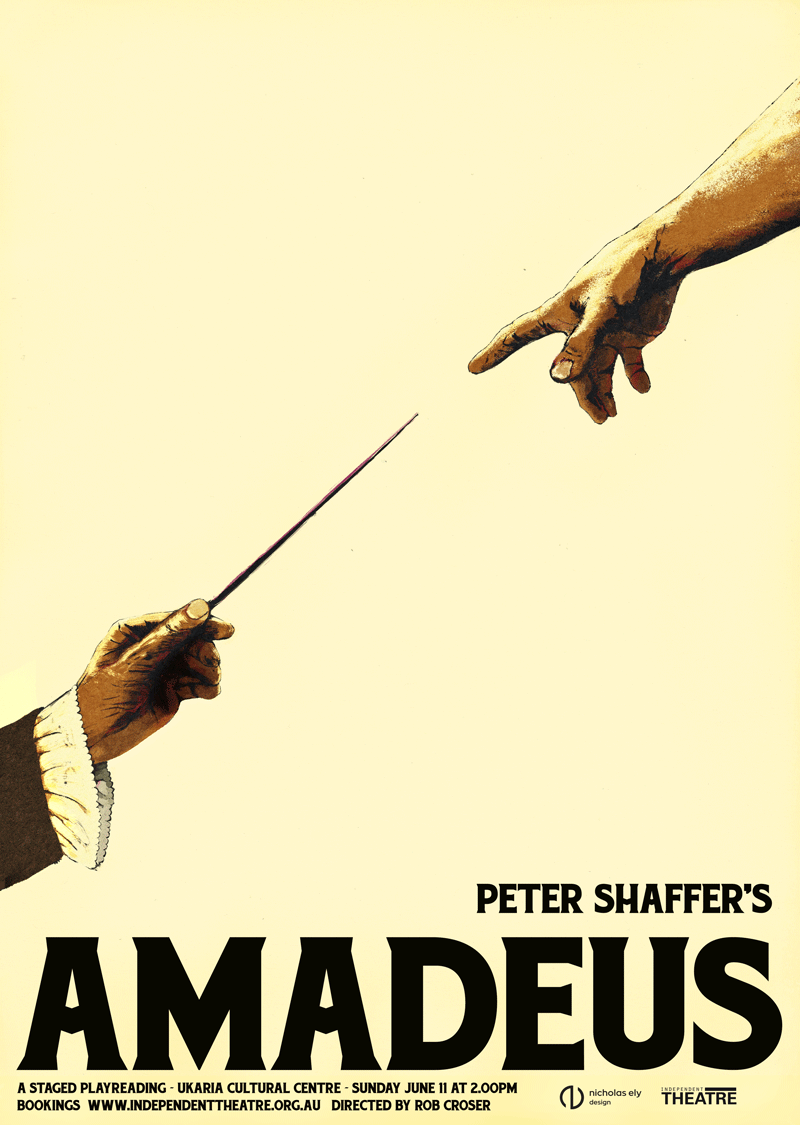
June 11
SEASON CLOSED
Viennese court composer, Antonio Salieri is entranced when he first hears the music of Mozart, and immediately appalled that such beauty can emanate from "the voice of an obscene child".
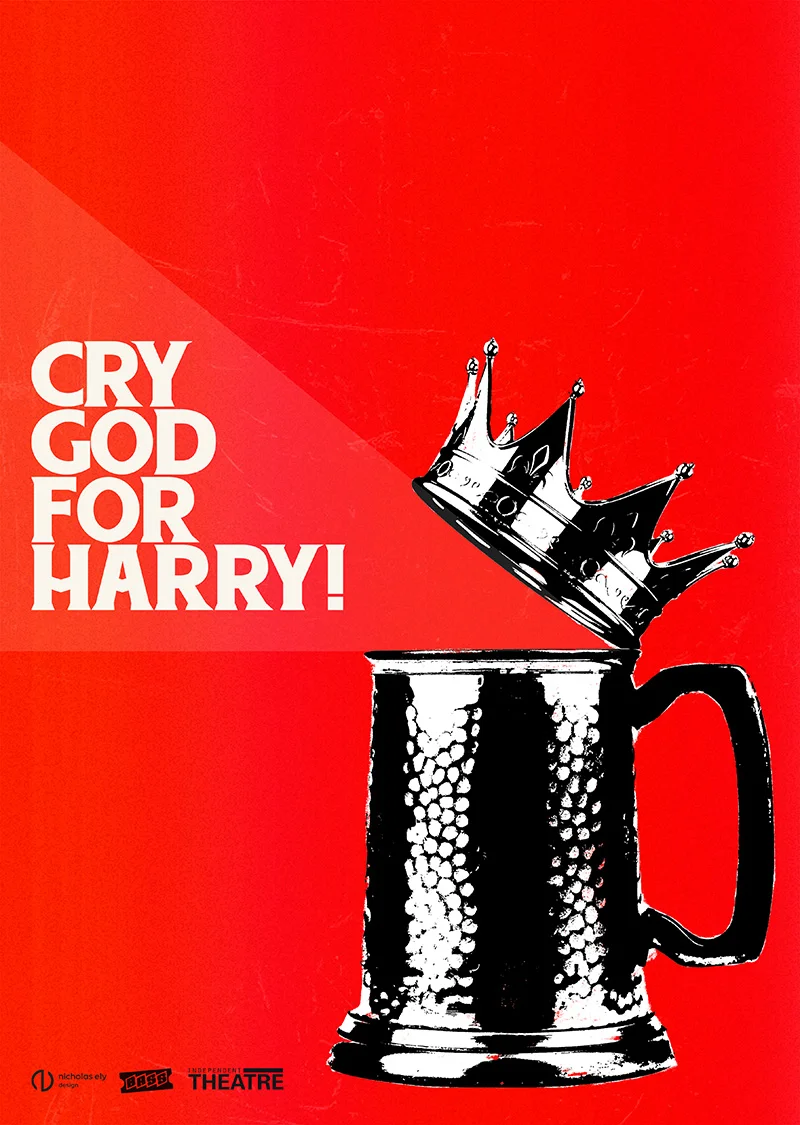
August 4 – 12
SEASON CLOSED
Drawing on four of Shakespeare's history plays, director Rob Croser has woven an enthralling play, which charts the education of Prince Hal at the hands of his two father-figures, as the new king remembers, and tries to find a way to bind his people together.
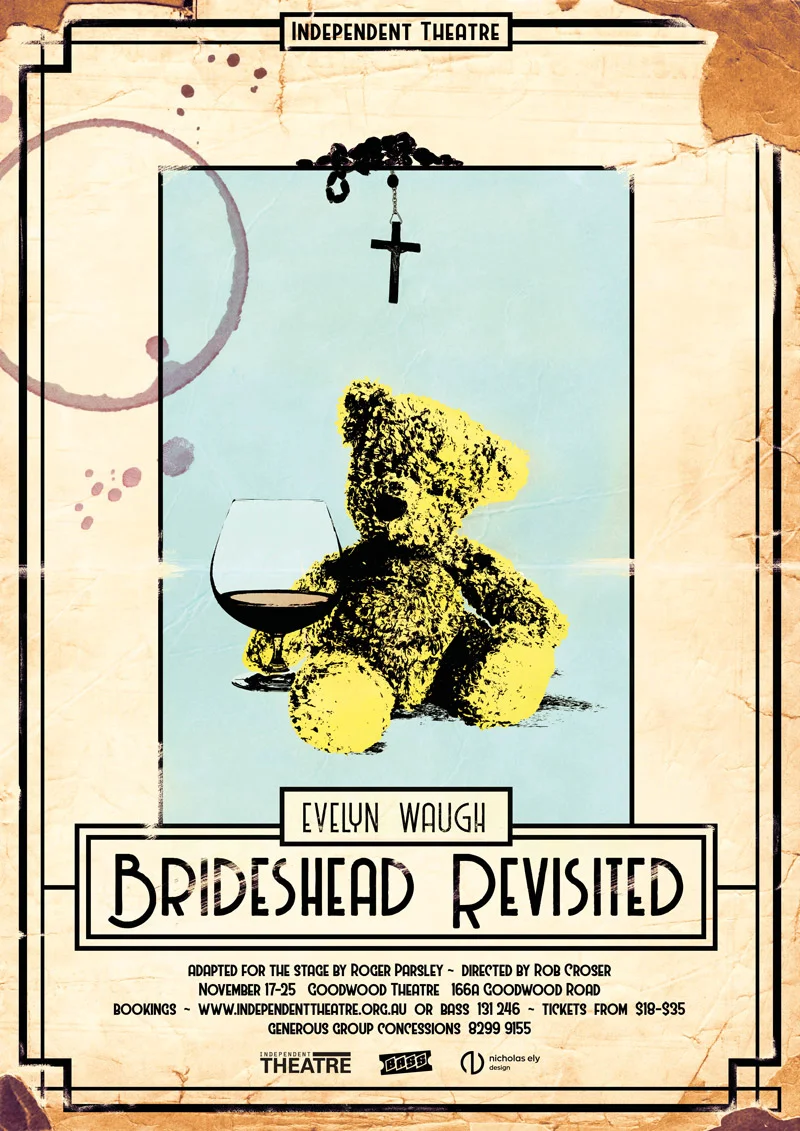
November 17 – 25
Towards the end of World War II, Captain Charles Ryder finds himself billeted in the grounds of a stately English home. Recognising it, his memory immediately transports him back to the 1920s, and his association with the doomed Catholic aristocrats that lived there.
2016
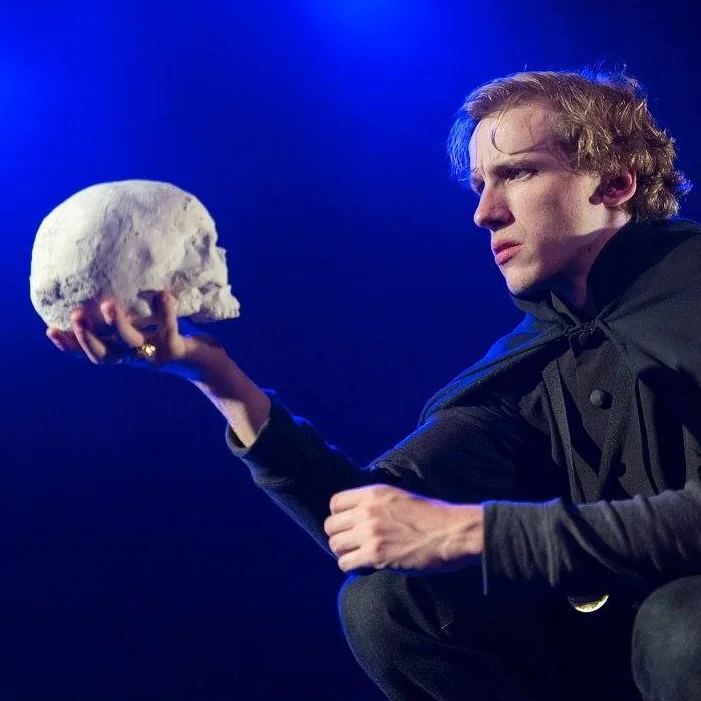
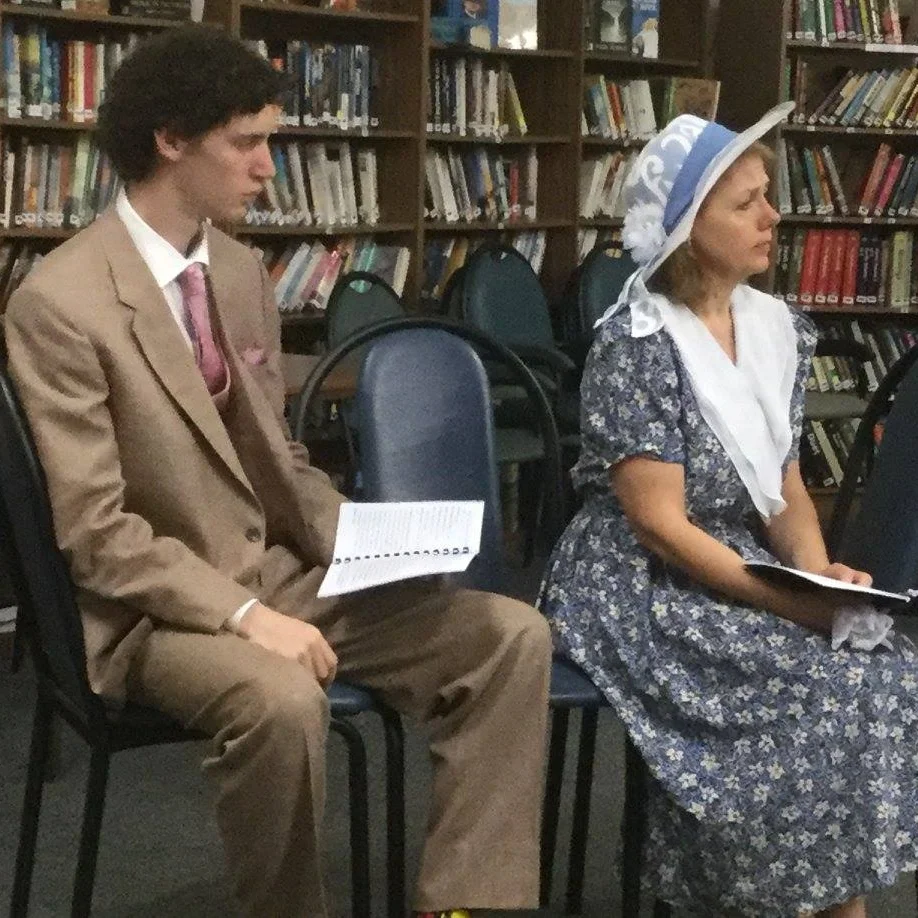
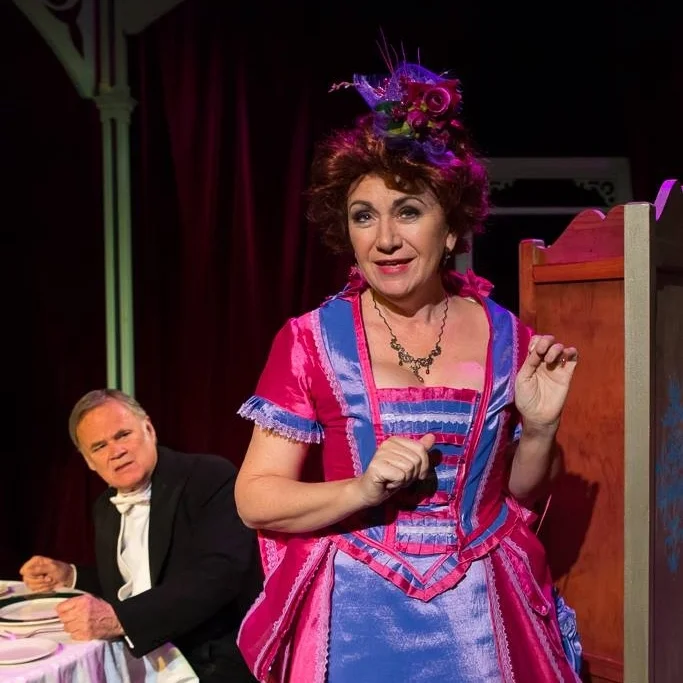
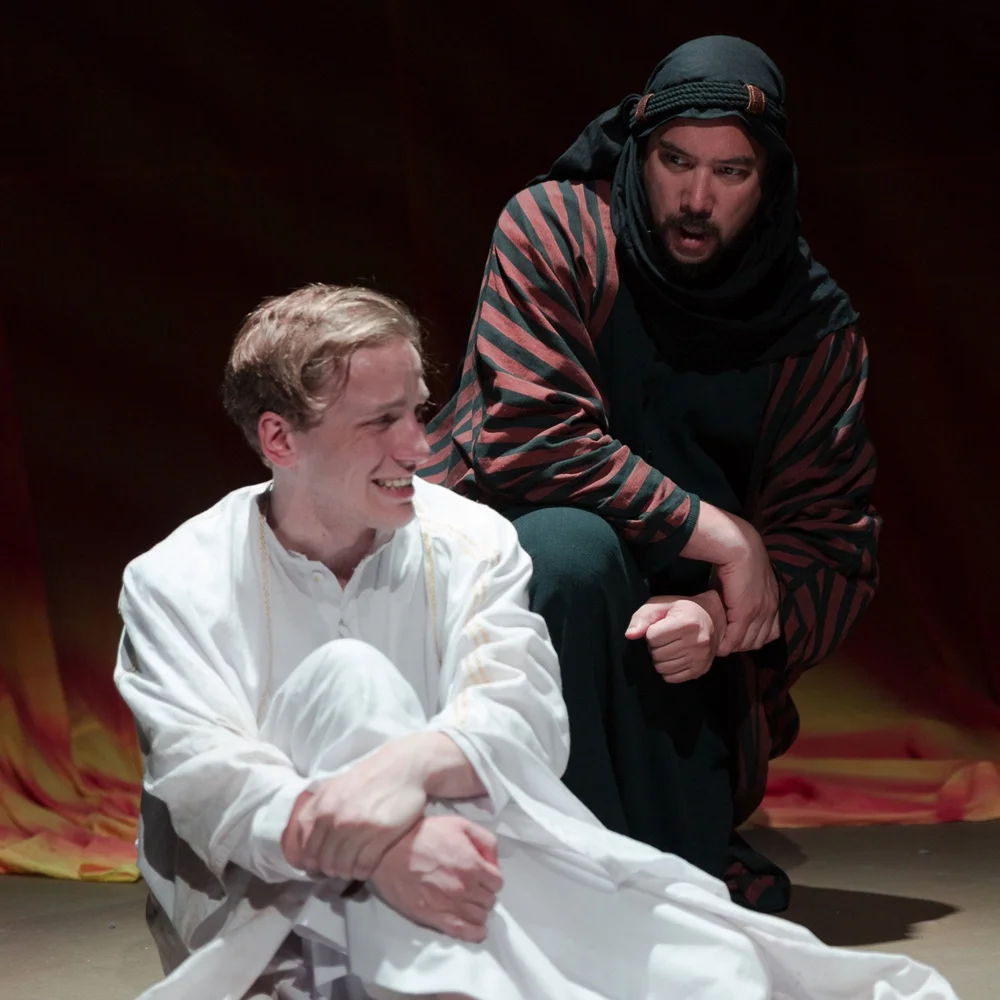
The company closed 2016 with its production of Terence Rattigan's "Lawrence of Arabia" play - ROSS - about the World War One hero's attempt to escape his mega-star fame, by enlisting in the RAF as a private airman. This brilliant play was being timed to commemorate the centenary of the Arab Revolt, and opened in The Space Theatre at the Adelaide Festival Centre on Remembrance Day, November 11th. It ran through until November 19th.